
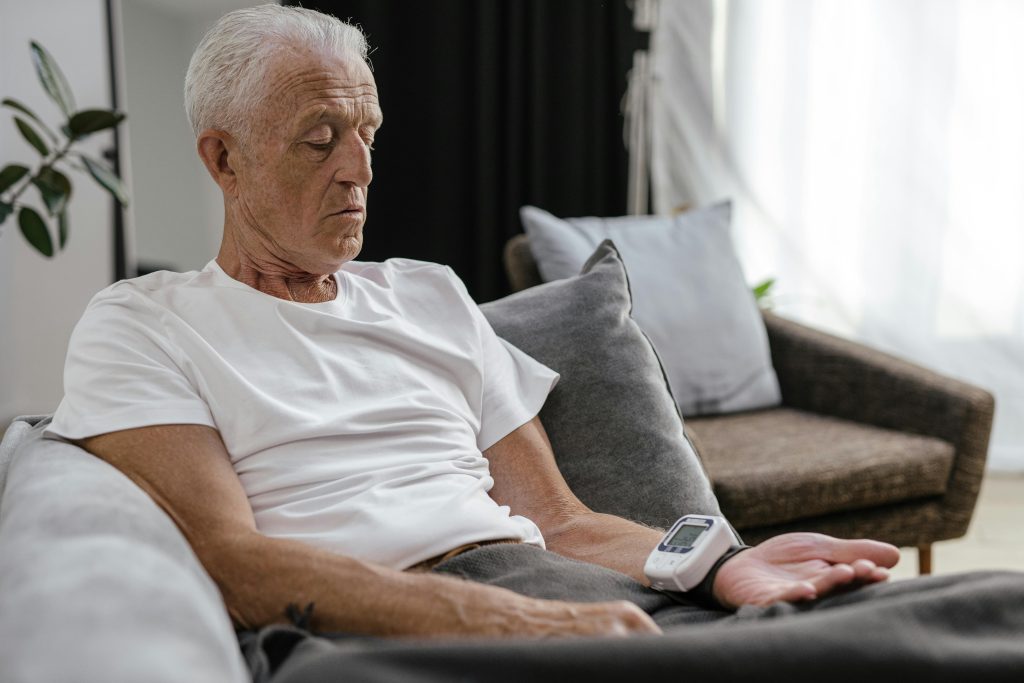
The healthcare landscape in 2026 is defined by a paradox: we have more patient data than ever before, yet physicians have less time than ever to interpret it. For those practicing internal medicine, the shift toward value-based care has made Remote Patient Monitoring (RPM) a cornerstone of chronic disease management. However, the sheer volume of continuous physiological data—blood pressure readings, glucose levels, oxygen saturation, and heart rate variability—has created a digital tidal wave that threatens to drown even the most efficient clinics. This is where a specialized virtual assistant for internists becomes not just a luxury, but a structural necessity for a modern practice.
Internal medicine is the bedrock of longitudinal care, particularly for the aging population in the United States. As we navigate 2026, the burden of managing patients with multiple comorbidities—diabetes, hypertension, and congestive heart failure—requires a proactive, data-driven approach. While RPM tools offer the promise of preventing hospitalizations and improving outcomes, the administrative and clinical oversight required to manage these programs is immense. Without a dedicated virtual assistant for internists, many practices find that RPM creates more burnout than it resolves.
Why a Virtual Assistant for Internists is Essential for RPM
The primary challenge of RPM is the “signal vs. noise” problem. An internist managing two hundred patients on RPM receives thousands of data points every week. Most of these readings are within normal limits, but the few that are not require immediate clinical attention. A virtual assistant for internists acts as the intelligent filter, ensuring that the physician only spends time on actionable clinical events rather than scrolling through endless spreadsheets of stable readings.
At Eternus Global, founded in 2009, we have spent over sixteen years refining the model of clinical support. We recognized early on that generalist virtual assistants cannot handle the complexities of internal medicine. Our model utilizes clinically trained professionals—registered nurses, pharmacists, and physician assistants—who function as a high-level virtual assistant for internists. They don’t just watch a screen; they understand the physiological implications of the data they are monitoring.
Solving the Data Overload with a Virtual Assistant for Internists
Managing RPM data requires a systematic approach to triage. When a patient’s blood pressure spikes or their weight increases suddenly (indicative of fluid retention in heart failure), the response must be swift. A virtual assistant for internists working within an Eternus Clinical Pod is trained to identify these trends instantly.
Instead of the internist checking an RPM portal between patient visits, the virtual assistant monitors the dashboard in real-time. If a “red flag” occurs, the assistant follows a pre-established clinical protocol to escalate the issue. This might involve calling the patient to verify the reading, checking for medication adherence, or scheduling an urgent telehealth visit. By the time the physician is alerted, the virtual assistant for internists has already gathered the necessary context, saving the doctor ten to fifteen minutes of investigative work per alert.
Clinical Pods: The Virtual Assistant for Internists and RPM Triage
The most effective RPM programs are those that integrate seamlessly into the existing clinical workflow. This is achieved through our fractional clinical pods. In this model, a virtual assistant for internists does not work in isolation. They are part of a team that understands the specific patient population of your internal medicine practice.
For example, a geriatric-focused internist might require intensive monitoring of fall risks and medication interactions. A pharmacy-led virtual assistant for internists can perform continuous medication reconciliation alongside RPM. When a patient’s glucose levels remain uncontrolled despite an RPM-enabled insulin pump, our pharmacist-trained assistants can identify potential dosage errors or drug-drug interactions that might be hindering progress. This level of clinical oversight is what differentiates a standard BPO from a Clinical Intelligence Hub.
Financial Impact of a Virtual Assistant for Internists in RPM
One of the most compelling arguments for integrating a virtual assistant for internists is the impact on the Revenue Cycle Management (RCM) of a practice. RPM is a highly reimbursable service, yet many practices fail to capture this revenue because they cannot meet the rigorous documentation requirements set by CMS and private payers.
To bill for CPT codes such as 99457 (Remote physiological monitoring treatment management services, 20 minutes per month) and 99458 (additional 20 minutes), the practice must document specific time spent communicating with the patient or interpreting data. A virtual assistant for internists handles the heavy lifting of this documentation. They track every minute spent in clinical discussion, ensure that the twenty-minute threshold is met, and compile the necessary logs for clean claim submission.
By offloading this administrative burden to a virtual assistant for internists, a practice can scale its RPM program from fifty patients to five hundred without adding a single in-house employee. This results in a massive increase in net revenue while simultaneously reducing the operating expenses (OpEx) associated with traditional staffing. Most of our clients report saving 40% to 70% in operational costs when they switch to our clinical pod model.
Security Protocols for the Virtual Assistant for Internists
In 2026, cybersecurity is the top priority for healthcare executives. The idea of a remote assistant accessing sensitive patient data can be daunting. This is why we have engineered a Zero-Possession Architecture into the bedrock of our service. When you hire a virtual assistant for internists through Eternus Global, your patient data never leaves your environment.
Our clinicians access your EHR—whether it’s Epic, Cerner, athenahealth, or eClinicalWorks—through a hardened Virtual Desktop Infrastructure (VDI). This setup allows the virtual assistant for internists to see and input data as if they were sitting in your office, but our systems are hard-coded to prevent any downloading, copying, or printing of Protected Health Information (PHI).
We are fully compliant with HIPAA, GDPR, and SOC 2 Type II standards. Furthermore, we are acutely aware of state-level legislation like Texas Senate Bill 1188, which governs the storage and access of electronic health records. Our Zero-Possession VDI ensures that your practice remains 100% compliant, even as you benefit from the global expertise of a clinically trained virtual assistant for internists.
The Cultural Value of a Virtual Assistant for Internists
Effective RPM requires more than just data interpretation; it requires patient engagement. Patients are more likely to comply with monitoring protocols if they feel supported and cared for. This is where the cultural trait of “Malasakit” comes into play.
Our hubs, particularly those in the Philippines, prioritize this sense of deep empathy and shared responsibility. A virtual assistant for internists isn’t just a technician; they are a patient advocate. They call the elderly patient who hasn’t logged their blood pressure in three days, not to reprimand them, but to check in and see if they are having trouble with the device. This “warmth” through the digital medium drastically improves Patient Experience (PX) scores and fosters the trust necessary for successful long-term chronic disease management.
Advanced Pre-Charting and Data Abstraction
For an internist, the annual wellness visit or the chronic care follow-up is often a data-entry nightmare. A virtual assistant for internists can pre-chart these encounters by abstracting the last 30 days of RPM data into a concise summary.
When the physician opens the chart, they don’t see a raw list of blood pressure readings. Instead, they see a trend report prepared by their virtual assistant for internists: “Patient has stayed within the 130/80 range for 85% of the month; noticed a 3lb weight gain over the last 48 hours; medication adherence confirmed via phone.” This allows the internist to move directly into clinical decision-making, rather than data mining. This elimination of “pajama time” documentation is the number one factor in reducing physician burnout in the internal medicine community.
Scalability and Global Delivery
Medicine in 2026 is a 24/7 endeavor. While your physical office might close at 5:00 PM, your RPM devices are still sending data. Through our global delivery hubs in the United States, United Kingdom, Spain, Bulgaria, and Australia, we offer “follow-the-sun” coverage.
A virtual assistant for internists based in a different time zone can review all overnight RPM alerts and have a summarized report waiting in the doctor’s inbox by 8:00 AM. If a patient in Spain or a Spanish-speaking patient in Texas needs help with their device, our multilingual teams—fluent in English, Spanish, Bulgarian, German, and French—can provide immediate assistance in their native language. This global reach ensures that your practice never misses a critical clinical signal, regardless of the hour.
Reclaiming the Practice of Internal Medicine
The reason most physicians chose internal medicine was to solve complex clinical puzzles and build lasting relationships with patients. They did not go to medical school to become data-entry clerks or to fight with RPM software interfaces. The virtual assistant for internists is the key to returning to that original mission.
By integrating a Clinical Intelligence Hub into your workflow, you are not just outsourcing tasks; you are augmenting your clinical capabilities. You are ensuring that every patient on RPM is being watched by a trained professional, every CPT code is being documented accurately, and every data point is being used to prevent a future hospital visit.
The evolution from Scriptus Medical Writing in 2009 to the Eternus Global of today was driven by one goal: giving clinicians their time back. Our AI-augmented, physician-led pods are the final piece of the puzzle for practices struggling to keep up with the demands of modern data management. A virtual assistant for internists is the infrastructure you need to build a sustainable, profitable, and patient-centered internal medicine practice in the years to come.
As the physician shortage intensifies, the practices that thrive will be those that leverage remote clinical talent to handle the administrative and monitoring weight. Don’t let your RPM program become a source of stress. Turn it into a source of clinical excellence and practice growth with a dedicated virtual assistant for internists who understands the high stakes of your work.
Stop fighting your inbox and start managing care. Contact Eternus Global today to schedule a free workflow audit and discover how our AI-augmented, physician-led clinical pods can transform your practice in less than 30 days.