
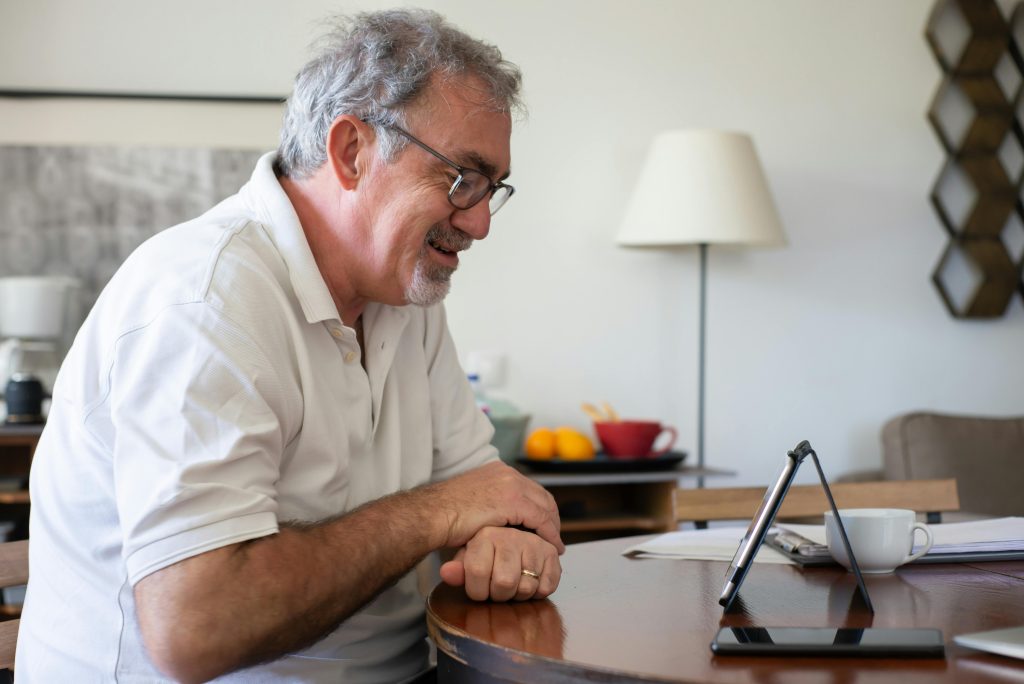
In the healthcare landscape of 2026, the intersection of technology and human care has reached a critical crossroads. As the United States navigates a severe physician shortage—estimated to surpass 85,000 providers by 2036—practices are increasingly leaning on automation and remote support to stay afloat. However, for the most vulnerable demographic in our healthcare system—the elderly—the rapid shift toward digital interfaces can feel isolating. For a senior patient managing multiple chronic conditions, a cold, transactional interaction isn’t just frustrating; it is a barrier to care. This is why the virtual assistant customer experience must be redefined as a clinical bridge, built on the foundations of empathy, security, and deep medical literacy.
Building patient trust in a digital age requires more than just efficient software. It requires a strategy where every remote interaction feels like a natural extension of the physician’s office. At Eternus Global, founded in 2009 as Scriptus Medical Writing, we have spent nearly two decades refining this balance. We understand that a successful digital patient journey is not about replacing human connection, but about using augmented intelligence and clinically trained professionals to protect it.
The Trust Deficit in Modern Senior Care
Elderly patients often present the most complex clinical pictures in a practice. They are frequently managing polypharmacy, mobility issues, and the cognitive load of navigating a fragmented healthcare system. When these patients encounter a standard “virtual assistant” who lacks medical training, the resulting experience is often disjointed. If a remote worker cannot differentiate between a routine refill request and a subtle sign of a drug interaction, the patient’s safety—and their trust in the practice—is compromised.
A high-quality virtual assistant customer experience solves this by ensuring that the person on the other end of the line or the portal is a clinically literate professional. This is the difference between a generalist BPO and a Clinical Intelligence Hub. When a senior patient speaks with an RN or a pharmacist-led pod, they feel the weight of professional expertise. They realize that their concerns are being triaged by someone who understands the stakes of their health, which is the first and most important step in building lasting trust.
Why Clinical Literacy Defines the Virtual Assistant Customer Experience
In the high-stakes environment of internal medicine or skilled nursing facilities, clinical literacy is the currency of trust. A remote care interaction that is powered by generalists often leads to “explanation fatigue” for both the patient and the physician. The patient has to repeat their history multiple times, and the physician has to double-check every administrative output for medical accuracy.
At Eternus Global, our pods are composed of Registered Nurses (RNs), Pharmacists, and Physician Assistants (PAs). This means the virtual assistant customer experience we provide is grounded in a deep understanding of medical terminology and pathology.
- For Medication Management: Our pharmacists perform medication reconciliations that prevent dangerous duplicate therapies during care transitions.
- For Triage: Our RNs can identify “red flag” symptoms in a portal message and escalate them before they become an emergency.
- For Documentation: Our medical writers ensure that EHR notes are audit-ready and clinically precise.
When a patient interacts with a team that speaks the language of medicine, their anxiety decreases. They trust that the practice is watching over them, even when they aren’t physically in the exam room.
The Malasakit Advantage in Virtual Assistant Customer Experience
While clinical skills are essential, they are only half of the equation. The “soft” side of care is where trust is truly solidified. In our global hubs, particularly in the Philippines, we anchor our virtual assistant customer experience in the cultural value of Malasakit. This Filipino term represents a level of empathy that goes beyond professional duty; it is the act of caring for a patient as if they were a member of your own family.
For an elderly patient who may be feeling overwhelmed by a new diagnosis, a voice that conveys genuine warmth and patience is transformative. Whether our assistant is troubleshooting a telehealth connection or helping a patient navigate a complex insurance denial, the virtual assistant customer experience is characterized by a “person-first” approach. This cultural empathy drastically improves Patient Experience (PX) metrics and ensures that the digital transition feels like a human upgrade, not a robotic replacement.
Security as a Foundation of the Virtual Assistant Customer Experience
Trust is impossible without the assurance of privacy. In an era where data breaches are frequent and costly, senior patients—and their families—are rightfully concerned about who has access to their Protected Health Information (PHI). A robust virtual assistant customer experience must be built on a bedrock of ironclad security.
Eternus Global utilizes a Zero-Possession Architecture to ensure that trust is never compromised.
- Zero PHI Storage: Our team accesses your EHR through a hardened Virtual Desktop Infrastructure (VDI). No patient data ever leaves your United States-based servers.
- Hardened Restrictions: Our system-level blocks prevent the downloading, copying, pasting, or printing of any clinical data.
- Compliance Leadership: We maintain strict adherence to HIPAA, GDPR, and SOC 2 Type II standards. We are also fully aware of aggressive state mandates like Texas Senate Bill 1188.
By engineering security into the virtual assistant customer experience, we remove the fear of digital vulnerability. Patients can interact with their clinical pods knowing that their most sensitive information is protected by enterprise-grade technology.
Transforming Telehealth Onboarding for Seniors
Telehealth is a powerful tool for aging-in-place, but “tech anxiety” often prevents elderly patients from utilizing it. A specialized virtual assistant customer experience addresses this by acting as a “virtual roomer.” Our assistants contact patients fifteen minutes prior to their appointment to walk them through the technology, check their internet connection, and confirm their current vital signs.
This proactive support turns a potentially stressful tech encounter into a smooth, guided process. By the time the physician logs on, the patient is calm, prepared, and focused on their health rather than their hardware. This specialized clinical intake process doesn’t just save the physician’s time; it empowers the patient to take an active role in their digital care journey.
The Role of Global Hubs in Delivering a 24/7 Experience
Chronic disease doesn’t follow a nine-to-five schedule. For an elderly patient who wakes up confused about a dosage at 2:00 AM, waiting until the office opens the next morning is not an option. Because Eternus Global operates through global hubs in the United States, United Kingdom, Spain, Bulgaria, and Australia, we provide a “follow-the-sun” virtual assistant customer experience.
This global reach ensures that your patients have access to a human voice at any hour. Furthermore, our ability to provide support in English, Spanish, Bulgarian, German, and French ensures that language barriers do not stand in the way of trust. A multilingual digital support framework allows your practice to serve a diverse population with the same level of clinical rigor and empathy, regardless of the patient’s native tongue.
Reducing Physician Burnout to Improve the In-Office Experience
It is a well-documented fact that physician burnout negatively impacts patient trust. When a doctor is distracted, rushed, or staring at a screen during an encounter, the patient feels devalued. By offloading the “administrative friction” to a clinical pod, the virtual assistant customer experience indirectly improves the in-person encounter.
When an internist or specialist knows their charts are being closed overnight and their inbox is being triaged by an RN, they can walk into the exam room with their full attention focused on the patient. This reclamation of time allows for the eye contact and deep listening that are the hallmarks of a trusted physician-patient relationship. In this way, the virtual assistant customer experience serves as the backbone that supports the entire clinical team’s ability to provide high-quality care.
Revenue Cycle Integrity and the Patient Journey
Trust is often broken at the billing stage. A confusing statement or an unexpected insurance denial can erase years of positive clinical interactions. Our virtual assistant customer experience includes specialized RCM support where clinically trained professionals handle denial defense and prior authorizations.
Because our team understands the clinical necessity behind a procedure or medication, they can draft robust appeals that win. When a patient sees that their clinical team is fighting for their coverage and winning, it fosters a profound sense of loyalty. A virtual assistant customer experience that protects the patient’s financial well-being is just as important as one that protects their physical health.
Scaling with Fractional Clinical Pods
One of the most significant benefits of our model is the ability to scale. Traditional staffing is rigid, but a virtual assistant customer experience through Eternus Global is fractional and agile. You can deploy a pod of RNs and pharmacists based on the specific needs of your geriatric population.
Whether you are an independent practice or a large skilled nursing facility, our pods integrate seamlessly into your existing EHR—be it Epic, Cerner, athenahealth, or eClinicalWorks. This flexibility allows you to maintain a consistent virtual assistant customer experience even as your practice grows or as patient volumes fluctuate. Most of our clients see an immediate reduction in operating expenses (OpEx) of 40% to 70%, allowing those resources to be reinvested into direct patient care.
The 30-Day Path to Building Digital Trust
Transitioning to a model that incorporates a clinical pod is designed to be low-stress. We believe that a virtual assistant customer experience should solve problems, not create them. Our three-step integration process ensures that your practice is supported every step of the way:
- Workflow Mapping: We shadow your team for five days to identify exactly where the “trust gaps” and time-bleeds are occurring in your current patient intake process.
- Pod Deployment: We embed a clinically literate team into your EHR through our secure Zero-Possession VDI. Your new virtual assistant customer experience begins to take shape immediately.
- Review and Refine: You oversee the clinical output while we handle the administrative heavy lifting. Within thirty days, your charts are closing on time, and your patients are experiencing a higher level of care.
A Future-Proof Strategy for Patient Connection
As we move deeper into 2026, the practices that thrive will be those that realize technology is a tool for human connection, not a replacement for it. A virtual assistant customer experience that prioritizes clinical literacy and cultural empathy is the most effective way to build trust with the growing elderly population.
Eternus Global is committed to this vision. Our sixteen-year history as a Clinical Intelligence Hub gives us the unique ability to deliver a virtual assistant customer experience that is both technically superior and profoundly human. We don’t just manage your tasks; we protect your reputation and your patients’ health.
The digital front door is open, and with the right team, it can be a place of warmth, security, and unwavering trust. It is time to move beyond the fragmented administrative models of the past and embrace a future where every patient interaction is handled with the clinical precision and heart they deserve.
Stop fighting your inbox and start managing care. Contact Eternus Global today to schedule a free workflow audit, and discover how our AI-augmented, physician-led clinical pods can transform your practice in less than 30 days.