
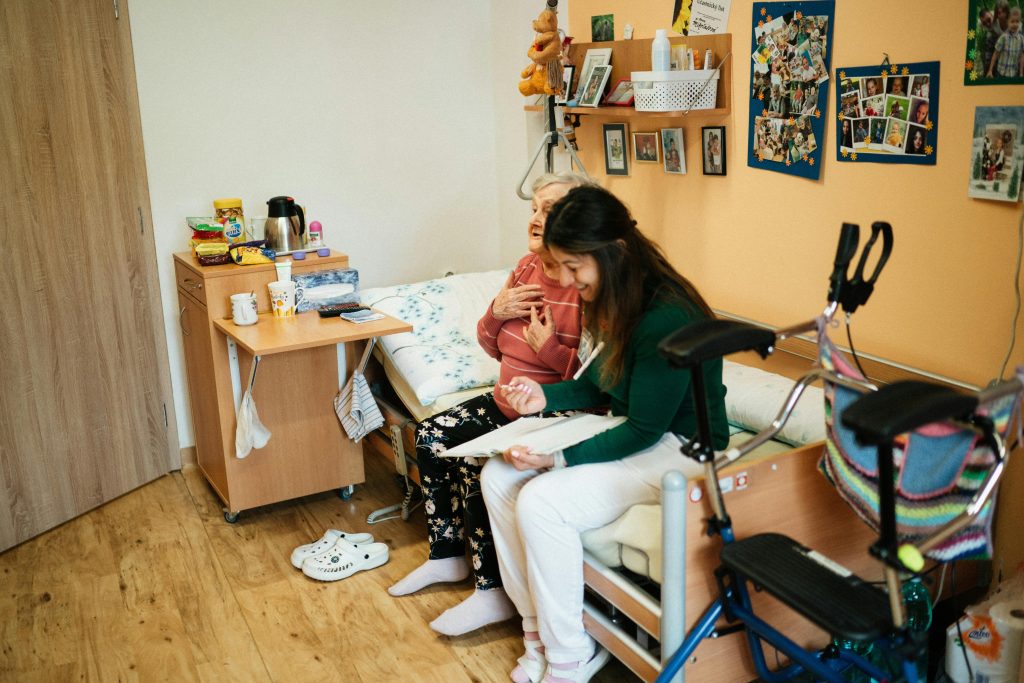
The United States healthcare system in 2026 is grappling with a profound demographic shift. As the “silver tsunami” reaches its peak, the demand for geriatric care and chronic disease management has surged beyond the capacity of traditional clinical workflows. Primary care physicians and internists are no longer just healers; they are often drowning in the administrative friction of managing complex cases for an aging population. In this environment, the “clinical touch” is often lost to the “documentation tax.” To bridge this gap, many forward-thinking practices are turning to a specialized virtual assistant persona—one rooted not just in technical proficiency, but in the Filipino cultural trait of Malasakit.
Elderly care is uniquely demanding. It requires more than just scheduling appointments or filing charts; it requires a deep, intrinsic sense of empathy and a high level of clinical literacy to manage polypharmacy, care transitions, and the emotional nuances of aging. While technology and AI can automate data entry, they cannot provide the warmth and advocacy needed to support a geriatric patient through a confusing insurance denial or a post-discharge transition. This is where the virtual assistant persona of a clinically trained professional from the Philippines makes a measurable difference in clinical outcomes and patient retention.
Defining the Virtual Assistant Persona iprofessional identity n Modern Geriatrics
Historically, the term “virtual assistant” suggested a generalist worker performing basic administrative tasks. However, in the high-stakes world of 2026 healthcare, a generalist model is entirely obsolete. A premium virtual assistant persona today must be a “Clinical Architect.” These are professionals who possess a deep understanding of medical terminology, pharmacology, and the cascading impacts of chronic disease.
At Eternus Global, founded in 2009 (formerly Scriptus Medical Writing), we recognized that the ideal virtual assistant persona for an elderly care practice must be a clinically literate advocate. This is why our pods are comprised of Registered Nurses (RNs), licensed pharmacists, and certified medical scribes. When a geriatric patient contacts a clinic through the portal, they aren’t just looking for a “ticket” to be resolved; they are looking for someone who understands their journey. A professional identity that combines clinical knowledge with emotional intelligence ensures that the patient feels “held” by the practice, even in a digital medium.
The Cultural Engine: Why Malasakit Drives the Ideal Virtual Assistant Persona
The word Malasakit is often difficult to translate directly into English, but its impact on healthcare is profound. It describes a deep, intrinsic sense of empathy, compassion, and caring as if the work—and the person being helped—were for one’s own family. When a virtual assistant persona is anchored in Malasakit, the level of service transcends the purely transactional.
In elderly care, patients are often managing multiple comorbidities and the anxiety that comes with declining health. An abrasive or purely transactional interaction with a medical office can lead to patient churn and poor compliance. Conversely, a remote partner that operates with Malasakit provides a “bedside manner” that bridges the gap between the patient and the physician. Whether the assistant is troubleshooting a telehealth connection for an 80-year-old patient or patiently navigating a frustrated family member through a prior authorization denial, this cultural empathy leads to exceptional Patient Experience (PX) scores. It creates a “warmth” that patients can feel through every phone call and portal message, fostering a deep loyalty to the practice.
Beyond Data Entry: The Clinical Virtual Assistant Persona for Complex Cases
Geriatric medicine is defined by complexity. A single patient may be managing type 2 diabetes, chronic kidney disease, and congestive heart failure simultaneously. Managing these cases requires meticulous documentation and proactive coordination. A generalist cannot handle this level of clinical weight; it requires a specialized virtual assistant persona that can perform advanced EHR abstraction and medication reconciliation.
Before the physician even enters the exam room, our virtual assistant pods are hard at work. They audit the daily schedule, extracting critical clinical events from the last 14 days. They identify “red flag” alerts, such as sudden drops in oxygen saturation or dangerous blood glucose spikes. For new admissions to a Skilled Nursing Facility (SNF), the virtual assistant persona takes ownership of the hospital course narrative, summarizing primary diagnoses and procedures so the physician has a holistic view of the patient immediately. This level of clinical intelligence is what allows the internist to move from being a data-entry clerk back to being a high-level decision-maker.
Security as a Pillar of the Virtual Assistant Persona
Trust is the absolute currency of the medical assistant market. In an era where data breaches can cost millions and destroy a practice’s reputation, security cannot be an afterthought. It must be built into the bedrock of the virtual assistant persona. Many medical executives hesitate to utilize remote support because of concerns regarding the Health Insurance Portability and Accountability Act (HIPAA) and data sovereignty.
At Eternus Global, we solve this through a “Zero-Possession Architecture.” When you integrate our remote pod into your clinic, absolutely no Protected Health Information (PHI) ever leaves your US-based servers. Our clinicians access your EHR—whether it’s Epic, Cerner, athenahealth, or DrChrono—exclusively through a hardened Virtual Desktop Infrastructure (VDI). This acts as a secure “glass window” into your system.
System-level restrictions are hard-coded to disable downloading, copying, pasting, or taking screenshots. This ensures absolute compliance with HIPAA, GDPR, and SOC 2 Type II standards. It also specifically addresses aggressive state-level mandates, such as Texas Senate Bill 1188, which prohibits the offshore storage of electronic health records. A premium virtual assistant persona is defined not just by how they care for the patient, but by how they protect the practice’s data integrity.
How a Specialized Virtual Assistant Persona Reduces Physician Burnout
Physician burnout in 2026 is frequently driven by “pajama time”—the hours spent charting at home after the clinic doors have closed. Documentation is a primary source of stress for doctors who want to focus on their patients rather than their screens. By delegating the heavy lifting of inbox triage, pre-charting, and prior authorizations to a clinical team, physicians reclaim their time and their professional longevity.
Our “follow-the-sun” model, supported by hubs in the US, UK, Spain, Bulgaria, and Australia, ensures that the doctor’s inbox is empty every morning. While the physician sleeps, their virtual assistant persona is triaging messages, closing out charts from the previous day, and preparing the “virtual waiting room” for upcoming telehealth visits. This seamless orchestration allows the physician to leave the clinic at 5:00 PM with all charts closed. Reclaiming those evening hours is not just an operational benefit; it is a clinical necessity for maintaining a high standard of care in a high-pressure environment.
The Financial Logic of a Fractional Virtual Assistant Persona
Traditional in-house staffing involves exorbitant overhead costs. When you hire a medical receptionist locally, you aren’t just paying a salary. You are paying for health insurance, 401k matching, payroll taxes, physical office space, and the continuous costs of recruitment and training due to high turnover rates. Furthermore, if an in-house staff member leaves, the practice loses institutional knowledge and productivity.
Partnering with a specialized clinical pod allows practices to utilize a “Fractional” model. Instead of hiring three separate full-time employees for coding, scheduling, and billing, clinics can purchase a block of hours utilized by a cross-functional remote team. This model routinely results in a 40% to 70% reduction in operating expenses (OpEx) while simultaneously increasing revenue through better prior authorization management and denial defense. The virtual assistant persona provides the stability of a five-year average tenure, ensuring that your clinical workflows remain consistent even if your local labor market is volatile.
Scaling Longevity with a Follow-the-Sun Virtual Assistant Persona
In elderly care, the need for support doesn’t stop when the office closes. Patients may have urgent questions at midnight, and hospital discharge summaries often arrive in the EHR in the early hours of the morning. A local staff member cannot address these until 8:00 AM, creating a “morning rush” that sets the clinic behind schedule before the first patient even arrives.
Our global hubs allow for a virtual assistant persona that follows the sun. This means your practice never stops moving forward. While your local staff is resting, your remote pod is conducting medication reconciliations for new admissions or drafting clinical appeals for denied claims. By the time you walk into the office, the “administrative friction” of the overnight hours has already been resolved. This 24/7 clinical intelligence hub is what allows a practice to scale its patient volume without proportionately increasing its overhead or stress levels.
The Eternus Global Heritage: 16 Years of Clinical Rigor
Choosing the right virtual assistant persona requires a partner with a foundation of clinical rigor. Eternus Global was born in 2009 as Scriptus Medical Writing & Research Services. We were built on the discipline of peer-reviewed research, manuscripts, and clinical protocols. We have delivered over 1,200 manuscripts and supported 350+ protocols for global healthcare organizations.
This background in medical research is what differentiates our virtual assistant persona from generic BPOs. Our team members don’t just “type notes”; they understand the pharmacological interactions of the medications they are reconciling. They understand the ICD-10 diagnostic codes they are auditing. They bring a level of scientific discipline to the administrative side of medicine that is rarely found in the generalist market. This heritage ensures that your practice isn’t just getting “help,” but is getting an AI-augmented, physician-led clinical infrastructure.
Building a Sustainable, Patient-Centric Practice
Ultimately, the goal of integrating a specialized virtual assistant persona is to return the focus of the clinic to the patient. Geriatric care is too important to be managed through a lens of administrative exhaustion. When you delegate the triage, the charting, and the prior authorizations to a clinically literate team, you create a space for actual healing to occur.
The transition to this model is designed to be seamless. We follow a 3-step process: we map your specific workflow, embed a clinical pod through our secure Zero-Possession VDI, and then handle the heavy lifting while you provide the final oversight and signature. Most of our clients see their documentation backlog disappear within the first 30 days. They find that their patients are happier, their revenue is more predictable, and their own joy of practicing medicine is restored.
In 2026, the practices that will thrive are those that recognize that empathy and technology must work in tandem. By leveraging the cultural empathy of Malasakit and the technical precision of our clinical hubs, you can build a practice that is not only profitable but profoundly patient-centric. You didn’t go into medicine to deal with piles of paperwork. Let us carry the workflow so you can carry the care.
Stop fighting your inbox and start managing care. Contact Eternus Global today to schedule a free workflow audit and discover how our AI-augmented, physician-led clinical pods can transform your practice in less than 30 days.