
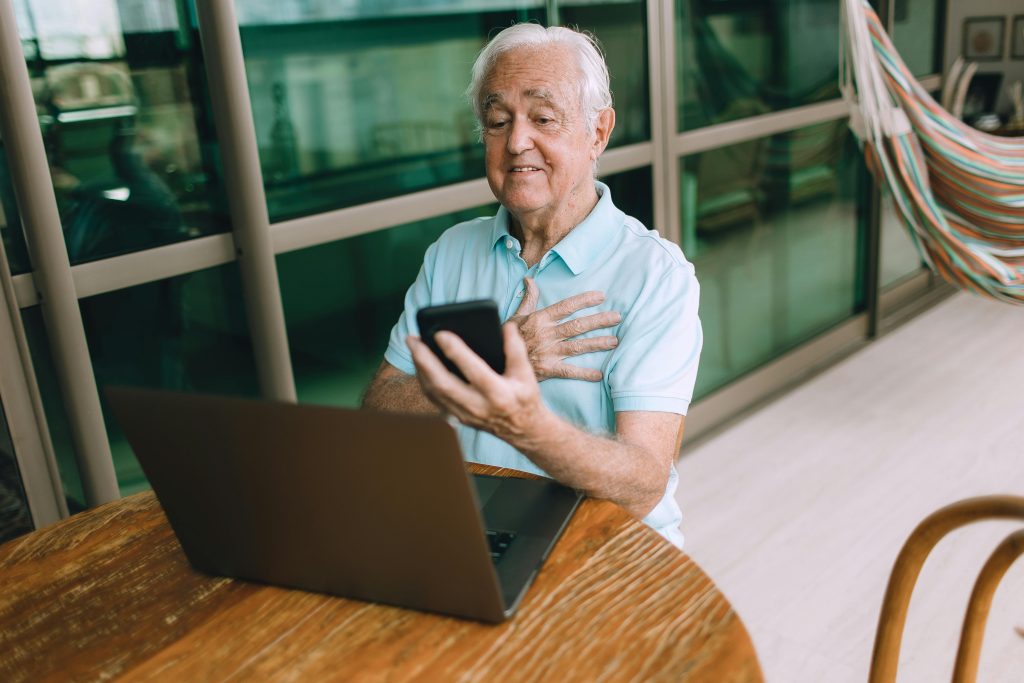
The United States is currently navigating a demographic shift of unprecedented proportions. As the “silver tsunami” reaches its crest in 2026, the healthcare system is struggling to keep pace with the complex, multi-layered needs of an aging population. Geriatric care is no longer just about treating acute illnesses; it is about managing the intricate interplay of chronic conditions, polypharmacy, cognitive decline, and social determinants of health.
For the geriatrician or the administrator of a Skilled Nursing Facility (SNF), the challenge is not just clinical—it is administrative. The sheer volume of documentation required to manage a single geriatric patient can be staggering. This is where the medical virtual assistant becomes an essential structural solution. By providing high-level, clinically literate support, these remote professionals are transforming how we approach the care of our seniors.
The Asynchronous Revolution: How a Medical Virtual Assistant Supports Seniors
In geriatrics, care does not happen only during the fifteen-minute exam. It happens in the gaps—the hours and days between visits when a patient’s blood pressure fluctuates, when they forget a dose of medication, or when a family member has a question about a new symptom. Traditional in-house staffing models often struggle to manage this “asynchronous” care. A medical virtual assistant acts as the glue that holds these disparate moments together.
Asynchronous support allows the practice to maintain a continuous connection with the patient without requiring the physician to be tethered to their portal 24/7. Whether it is monitoring data from a remote blood pressure cuff or triaging a non-urgent message about a prescription refill, the medical virtual assistant ensures that no patient feels forgotten. This continuous loop of communication is vital for preventing the minor health setbacks that often lead to unnecessary—and expensive—emergency room visits.
Solving Polypharmacy with a Medical Virtual Assistant
One of the most dangerous aspects of aging is polypharmacy. The average geriatric patient in the U.S. takes between five and ten medications daily, often prescribed by different specialists who may not be communicating effectively. The risk of adverse drug interactions is a constant threat to patient safety.
A clinically trained medical virtual assistant, particularly one within an Eternus Global pharmacist-led pod, provides a critical layer of defense. They perform rigorous medication reconciliations, comparing hospital discharge summaries against the patient’s current facility orders. By identifying duplicate therapies or dangerous interactions before the physician even reviews the chart, the medical virtual assistant saves time and, more importantly, saves lives. This proactive approach to pharmacology is a cornerstone of modern geriatric excellence.
Transitioning Care: The Medical Virtual Assistant in SNF and Home Health
Transitions of care—moving a patient from a hospital to a skilled nursing facility or back home—are the most vulnerable moments in a senior’s journey. Information is often lost, orders are misinterpreted, and follow-up appointments are missed. A medical virtual assistant serves as a transition coordinator who ensures the “handoff” is seamless.
They manage the heavy lifting of EHR abstraction. When a new patient is admitted to an SNF, the medical virtual assistant systematically reviews the hospital course narrative. They extract the primary diagnoses, recent procedures, and critical “red flag” events from the last seven to fourteen days. This summary is then placed at the top of the physician’s file. Instead of hunting through sixty pages of scanned PDFs, the doctor has a holistic view of the patient immediately, allowing them to focus entirely on the clinical assessment.
Clinical Triage and the Digital Front Door
Geriatric patients and their caregivers often face high levels of anxiety. When a new symptom appears, they need reassurance and direction. However, an overwhelmed clinic staff often lacks the time to provide detailed responses, leading to frustrated families and slipping patient experience scores.
An RN-led medical virtual assistant pod functions as an intelligent digital front door. They triage incoming messages based on established clinical protocols. They can distinguish between an administrative question that can wait and a clinical “red flag” that requires an immediate telehealth visit. By acting as “virtual roomers,” the medical virtual assistant contacts the patient before their appointment to troubleshoot technology, collect updated vitals, and ensure the physician’s time is spent on high-level decision-making rather than technical support.
Implementing a Medical Virtual Assistant for Chronic Disease Management
Chronic conditions like heart failure, COPD, and diabetes require constant vigilance. Remote Patient Monitoring (RPM) has the potential to revolutionize this care, but it generates an enormous amount of data that physicians simply do not have the time to analyze.
Integrating a medical virtual assistant into your RPM workflow changes the equation. These assistants monitor the incoming data streams in real-time. If a patient’s oxygen saturation drops or their weight spikes suddenly—a common sign of worsening heart failure—the medical virtual assistant alerts the clinical team immediately. This “early warning system” enables intervention in the home or at the facility, keeping the patient stable and out of the hospital. It is a proactive, data-driven model that is only possible with a dedicated remote clinical team.
The “Malasakit” Advantage in Geriatric Care
In geriatrics, the “how” of care is just as important as the “what.” Seniors often feel marginalized by a fast-paced, digital-first healthcare system. They need a human connection. This is why the cultural value of Malasakit is so critical to our model.
Malasakit is the Filipino concept of caring for someone as if they were family. When a medical virtual assistant from our hub in the Philippines speaks with an elderly patient, they bring a level of patience, empathy, and respect that is deeply ingrained in their culture. They don’t just “process” the patient; they listen to them. This cultural empathy transforms a standard administrative call into a supportive interaction, fostering deep loyalty to your practice and significantly improving patient satisfaction scores.
Ironclad Security: Protecting the Most Vulnerable Data
Geriatric patients are frequently the targets of data breaches and identity theft. Protecting their Protected Health Information (PHI) is a moral and legal imperative. Many providers hesitate to use remote assistance due to concerns about HIPAA compliance and data sovereignty.
Eternus Global addresses these concerns through our Zero-Possession Architecture. Our medical virtual assistant teams never “touch” the data in a way that leaves a footprint. They access your EHR through a hardened Virtual Desktop Infrastructure (VDI), which acts as a glass window.
- They cannot download patient files.
- They cannot copy or paste PHI.
- They cannot take screenshots or print documents. Every action is logged and auditable, ensuring that your practice remains in total compliance with HIPAA, GDPR, and SOC 2 Type II standards. We are also fully aware of state-level mandates like Texas Senate Bill 1188, ensuring that your data remains securely on United States-based servers.
Scalability and the Fractional Clinical Pod
Geriatric practices often face fluctuating volumes. Flu season or a local outbreak in an SNF can suddenly triple the administrative workload. A traditional in-house staffing model cannot adapt to these surges without significant expense and stress.
The medical virtual assistant model offers fractional scalability. You can deploy a “Clinical Pod” that scales its hours up or down based on your actual needs. Instead of hiring three separate full-time employees for billing, triage, and scribing, you can utilize a cross-functional remote team. This model routinely results in a 40% to 70% reduction in operating expenses while increasing the accuracy of clinical documentation and the speed of the revenue cycle.
Reclaiming the Joy of Geriatric Medicine
Physicians do not enter the field of geriatrics to spend their days fighting with EHR systems or navigating prior authorization portals. They enter it because they care about the human story and the dignity of the elderly.
When you integrate a medical virtual assistant into your workflow, you are doing more than just “outsourcing.” You are reclaiming your clinic focus. You are delegating the administrative friction—the pre-charting, the medication reconciliation, the inbox triage—to a team that is trained to handle it with clinical precision. This allows you to spend your time at the bedside, where you are needed most.
A Legacy of Clinical Excellence Since 2009
Eternus Global was founded in 2009 as Scriptus Medical Writing & Research Services. We have spent over sixteen years operating at the intersection of medicine and technology. Our DNA is rooted in clinical research and peer-reviewed rigor. We have delivered over 1,200 manuscripts and supported hundreds of clinical protocols.
This history of excellence is what we bring to your geriatric practice. We understand that a medical virtual assistant must be more than a typist; they must be a clinical partner. Our hubs in the US, UK, Spain, Bulgaria, and Australia provide “follow-the-sun” coverage, ensuring that your charts are closed overnight and your inbox is triaged before you arrive at work in the morning.
The Future of Geriatric Care is Collaborative
The challenges of aging in America are not going away. The physician shortage will continue to intensify, and the administrative burden will continue to grow. To thrive in this environment, your practice needs a new kind of infrastructure.
A medical virtual assistant provides the scalability, security, and clinical intelligence required to provide world-class care in 2026. By offloading the documentation and coordination tasks that cause burnout, you empower your physicians to practice medicine at the top of their license. You create a practice that is sustainable, profitable, and, above all, deeply patient-centric.
The transition to a clinical pod is seamless. Our clinical architects will shadow your team for five days to map your workflow, identify your specific needs, and then deploy a pod that plugs directly into your EHR. Within 30 days, the administrative weight that has been slowing you down will begin to lift.
Stop fighting your inbox and start managing care. Contact Eternus Global today to schedule a free workflow audit and discover how our AI-augmented, physician-led clinical pods can transform your practice in less than 30 days.