
The landscape of adult and geriatric care in 2026 is moving through an intense operational evolution. Healthcare systems across the United States are managing the peak of the silver tsunami, a demographic shift where the number of older adults requiring complex chronic disease management surpasses the capacity of available local medical workforces. Simultaneously, internal medicine clinics, specialty practices, and skilled nursing facilities are handling an explosion of administrative demands, from meticulous documentation standards to complex compliance audits. For a practice to remain sustainable and patient-centric, the integration of an advanced medical virtual assistant has transformed from an experimental operational experiment into a foundational structural asset.
The days of viewing remote support as a simple, detached answering service are entirely over. In the high-stakes environment of 2026 adult care, a specialized medical virtual assistant operates within a highly sophisticated ecosystem known as a clinical intelligence hub. These remote professionals are not generalist data entry clerks; they are highly trained, clinically literate experts—often registered nurses, licensed pharmacists, or certified medical scribes. They possess a deep understanding of geriatric pharmacology, complex diagnostic coding, and the intricate, cascading impacts of chronic multi-morbidities. By embedding these highly skilled remote teams directly into the clinical workflow, practices are successfully reversing the tide of physician burnout while elevating the quality of care delivered to an aging population.
The Convergence of Remote Patient Monitoring and Medical Virtual Assistant Innovations
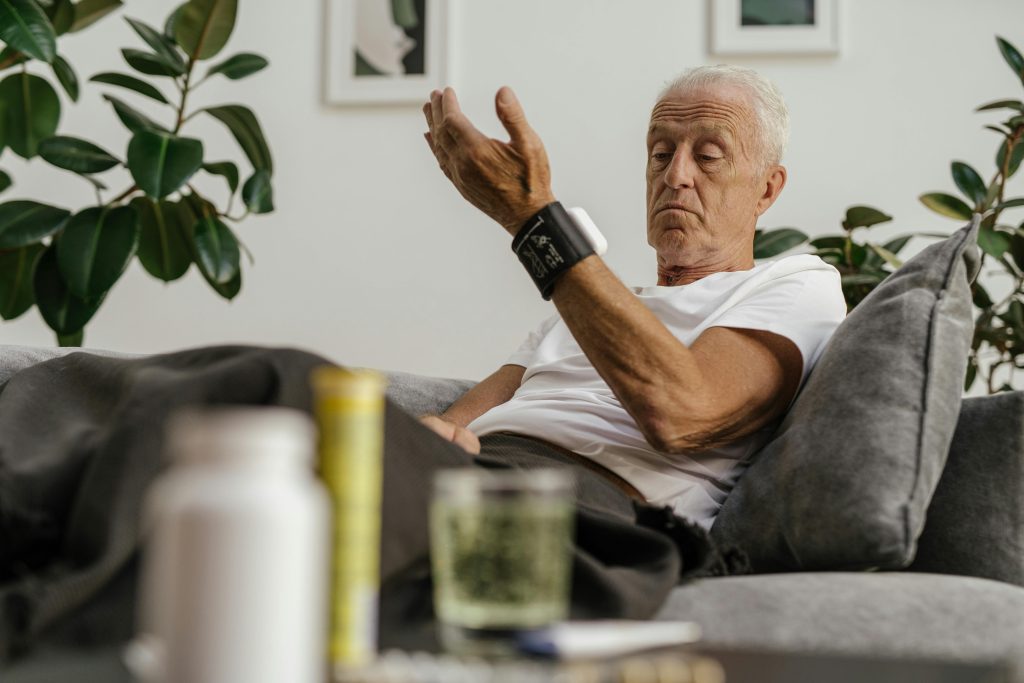
One of the most consequential innovations in adult care throughout 2026 is the rapid proliferation of multi-parameter remote patient monitoring devices. Older adults are no longer simply tracking a single metric like blood pressure or blood glucose in isolation. Modern wearable medical tech now allows for continuous, real-time telemetry, combining electrocardiograms, oxygen saturation levels, continuous glucose monitoring, temperature, and even advanced gait analysis to detect sudden fall risks before an accident occurs. However, this massive influx of raw biological data creates a major operational roadblock, often resulting in severe alert fatigue for the physical on-site staff.
This is exactly where a specialized medical virtual assistant serves as a vital clinical bridge. Instead of forcing on-site nursing staff to sift through thousands of automated data streams and false-positive notifications, a dedicated medical virtual assistant acts as the first line of proactive analysis. They monitor the centralized patient dashboards, evaluating anomalies against established clinical protocols. If an elderly patient’s connected device reports a sudden spike in blood pressure accompanied by an uncharacteristic drop in heart rate variability, the virtual assistant can instantly validate the data, contact the patient to assess symptoms, and safely escalate the situation to the primary care provider only when a true clinical intervention is required.
This human-in-the-loop validation model has completely revolutionized the home health landscape. Research in 2026 shows that incorporating a medical virtual assistant into remote care programs leads to a significant reduction in unnecessary emergency room visits and preventable hospital re-admissions. By providing continuous, proactive oversight, these remote professionals allow fragile older adults to maintain their independence and safely age in place within the comfort of their homes, while giving family members and caregivers complete peace of mind.
Capitalizing on 2026 Medicare Policy with an Advanced Medical Virtual Assistant
The financial viability of long-term adult care has been significantly reshaped by recent legislative changes. The Centers for Medicare and Medicaid Services updated the physician fee schedule to offer expanded reimbursement pathways for remote patient monitoring and complex care coordination. These updated regulations lower the necessary data transmission thresholds, making it far easier for practices to bill for continuous monitoring programs. However, capturing these new revenue streams requires a level of rigorous documentation and administrative diligence that most short-staffed local practices cannot maintain.
Deploying a medical virtual assistant allows practices to capture these updated reimbursement streams without adding to the administrative burdens of on-site staff. The virtual assistant takes complete ownership of the documentation tracking process, ensuring that every minute of remote care management is meticulously recorded, validated, and logged within the patient’s electronic health record file. They track device compliance, manage the enrollment pipelines for new chronic care management cohorts, and ensure that all billing submittals are perfectly aligned with the latest diagnostic criteria.
Through this proactive management, a medical virtual assistant converts what used to be a fragmented, uncompensated administrative chore into a highly structured, highly predictable revenue center. Most independent clinics leveraging these remote clinical pods report an increase in clean claim rates past ninety-eight percent, paired with an immediate forty to seventy percent reduction in overall operating expenses compared to hiring traditional, full-time local administrative employees.
AI Auditing and the Prevention of Clinical Hallucinations
The integration of ambient artificial intelligence scribes has undeniably accelerated the speed of clinical documentation in 2026. These advanced AI systems can listen to a patient encounter and instantly draft a comprehensive clinical note. However, in adult care, where patients routinely present with complex, highly nuanced medical histories involving multiple prescription interactions and overlapping symptoms, a completely automated workflow introduces a significant margin for error. Artificial intelligence is notoriously prone to subtle hallucinations or missing critical contextual updates voiced by an anxious elderly patient.
To mitigate these clinical risks, a medical virtual assistant functions as an indispensable quality assurance anchor. Working within a hybrid human-AI framework, the virtual assistant carefully audits the AI-generated SOAP notes against the actual audio or structural encounter data. They verify that the specific diagnostic codes match the physician’s intent, ensure that medication adjustments are accurately transcribed without dangerous decimal errors, and format the documentation to align precisely with the specific institutional standards of the clinic.
Once the document is perfected, the medical virtual assistant queues the accurate note for the physician’s final signature. This sophisticated workflow ensures that the provider can close all charts before leaving the clinic at five o’clock, completely eliminating the grueling pajama time charting that drives systemic provider exhaustion. By blending the rapid speed of machine learning with the critical thinking of a clinically literate human professional, practices achieve absolute documentation accuracy without sacrificing speed.
Ironclad Data Security: The Zero-Possession Model
As digital health tools become more deeply embedded in adult care infrastructure, protecting sensitive patient information from cyber threats has become an absolute priority for healthcare executives. The medical sector remains a primary target for sophisticated ransomware and data exfiltration campaigns. For many clinical leaders, the primary hesitation regarding offshore virtual support is the perceived risk of data vulnerabilities. Trust is the absolute currency of the modern healthcare market, and a single compliance breach can lead to devastating federal penalties and a total loss of patient confidence.
To answer these pressing security concerns, a premier medical virtual assistant operates under a highly restricted Zero-Possession Architecture. In this strict zero-trust operational framework, absolutely no protected health information ever crosses the clinical perimeter or leaves the local servers of the United States-based practice. The remote assistant does not download, locally cache, or print any patient documentation. Instead, they access the electronic health record environment exclusively through a hardened Virtual Desktop Infrastructure, which functions simply as a secure glass window into the existing database.
System-level policies are hard-coded to completely disable all standard functionalities for copying, pasting, downloading, or taking localized screenshots. Furthermore, multi-factor authentication, biometric verification, and comprehensive role-based access controls are continuously enforced. Every single action taken by a medical virtual assistant is automatically logged, creating a completely transparent, independent audit trail that satisfies the most demanding compliance reviews. This enterprise-grade security architecture ensures absolute alignment with HIPAA, GDPR, and SOC 2 Type II regulations, while fully complying with aggressive state-level legislation such as Texas Senate Bill 1188, which explicitly bans the offshore storage of digital medical records.
Elevating the Patient Experience Through Malasakit
While technical excellence and data security form the essential operational bedrock of modern healthcare outsourcing, the true success of any adult care initiative is ultimately measured by the human experience. Older adults often find the increasingly digitized nature of modern medical systems to be confusing, alienating, or intimidating. When an elderly patient interacts with an overworked, highly stressed in-house front desk team, the interaction can frequently feel rushed and purely transactional, severely damaging patient satisfaction and trust.
At Eternus Global, our clinical pods are explicitly trained to move far beyond these cold, transactional boundaries by anchoring their patient interactions in a powerful cultural philosophy known as Malasakit. This traditional Filipino value represents an intense, intrinsic drive to care for another individual’s well-being as if they were a member of one’s own immediate family. When a medical virtual assistant from our team contacts an older adult, they aren’t just completing a checklist of administrative items; they are delivering an exceptional level of authentic compassion, patience, and warmth.
Whether the virtual assistant is guiding an anxious senior through their very first telehealth portal login, checking on their daily medication adherence, or spending extra time explaining an insurance coverage detail to a worried family caregiver, this cultural empathy completely transforms the patient experience. Older adults do not feel like a number in a database; they feel genuinely cared for, supported, and safe. This deep human connection dramatically improves patient retention metrics, fosters complete clinical compliance, and restores a powerful sense of traditional, compassionate care to the modern digital practice.
Future-Proofing Geriatric Practices for the Next Generation
The rapid structural shifts witnessed throughout 2026 have made one reality undeniable: the traditional, fragmented, in-house administrative model is no longer capable of meeting the complex demands of an aging global population. As the physician shortage intensifies and compliance landscapes grow increasingly complex, the long-term survival of your clinical practice relies on your ability to build a highly agile, highly scalable operational framework. Partnering with a specialized clinical BPO is no longer a luxury; it is a vital necessity for any provider dedicated to delivering high-quality, continuous adult care.
By delegating the exhausting weight of day-to-day administrative friction—the inbox triage, the pre-charting, the prior authorizations, and the continuous data validation—to a highly secure, clinically literate remote team, you unlock the true potential of your clinic. You empower your physical on-site staff to work at the absolute top of their professional licenses, focusing their valuable time on direct, hands-on patient interactions where they are needed most. Most importantly, you give your physicians their lives back, preserving their career longevity and restoring their core passion for the art of healing.
The transition to an advanced, remote model is designed to be completely seamless and free of operational disruption. Through our proven three-step integration process, our clinical architects closely analyze your existing workflows, design a customized fractional pod tailored to your specific specialty demands, and securely embed your new remote team through our hardened virtual infrastructure in less than thirty days. We manage the training, we manage the coverage, and we manage the compliance, allowing you to maintain absolute focus on clinical excellence. Integrating a medical virtual assistant into your workflow is the single most effective operational shift you can make in 2026.
Stop fighting your inbox and start managing care. Contact Eternus Global today to schedule a free workflow audit and discover how our AI-augmented, physician-led clinical pods can transform your practice in less than 30 days.