
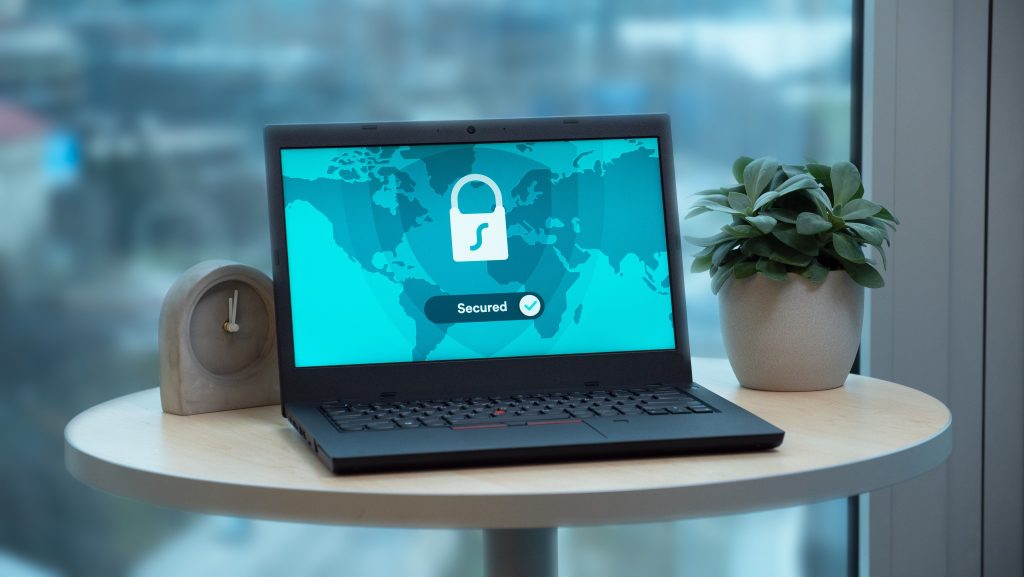
The rapid expansion of telehealth and digital health monitoring has fundamentally altered clinic workflows. In 2026, medical practices are increasingly relying on remote administrative support to manage rising patient volumes. However, this shift has also introduced major operational vulnerabilities, particularly concerning data privacy and federal regulations. When a healthcare facility evaluates remote staffing options, the decision often comes down to a choice between a specialized clinical professional or a generalized administrative worker, such as a virtual assistant cyberbacker.
Choosing a generalized option poses significant regulatory dangers for healthcare organizations. While a generalist support worker may be highly skilled at traditional office tasks like managing calendars or handling real estate leads, they lack the specialized structural alignment required to navigate a heavily regulated medical environment safely. Failing to recognize the operational differences between a general virtual assistant cyberbacker and a dedicated, clinically literate partner can easily expose your medical practice to severe financial liabilities, data breaches, and systemic operational failures. Implementing a professional medical virtual assistant framework is the only reliable way to insulate your organization from these mounting compliance threats.
Comparing Compliance Infrastructure: Medical Virtual Assistant vs Virtual Assistant Cyberbacker Risks
The primary danger of integrating a non-specialized virtual assistant cyberbacker into a medical office is the absence of a verified compliance architecture. Under the Health Insurance Portability and Accountability Act (HIPAA), any individual or entity that interacts with protected health information (PHI) must adhere to strict administrative, physical, and technical safeguards. Generalist BPO firms and matching services are typically engineered for commercial industries, meaning their workflows lack the rigorous data control mechanisms required by federal healthcare law.
When you choose a general administrative assistant over a specialized medical virtual assistant, your practice takes on the full burden of monitoring data safety protocols. Many general platforms do not sign comprehensive Business Associate Agreements (BAAs) that carry true legal accountability, leaving your clinic fully liable if a data breach occurs. Furthermore, general remote workers often operate on personal computers without enterprise-grade security software, network firewalls, or strict access controls, creating immediate entry points for cyber threats. These systemic gaps illustrate why understanding the full scope of virtual assistant cyberbacker risks is critical before modifying your clinic’s operational workflows.
Eliminating Information Leakage with Hardened Security
A common vulnerability in traditional remote support arrangements is data leakage. If a remote worker can download a patient file, copy a medical history chart, or take a screenshot of an insurance portal, your compliance posture is completely compromised. General administrative services typically rely on basic communication tools and standard remote access software, which leaves patient data vulnerable to local caching and unauthorized sharing. These practices significantly escalate virtual assistant cyberbacker risks and expose your practice to federal auditing liabilities.
At Eternus Global, founded in 2009, we manage this hazard through a strict Zero-Possession Architecture, transforming the remote workspace into an airtight digital environment. Your assigned medical virtual assistant accesses your electronic health record (EHR) system—whether it is Epic, Cerner, or athenahealth—solely through a hardened Virtual Desktop Infrastructure (VDI). This configuration functions as a secure glass window into your local servers.
Our remote clinical professionals can interact with data, update charts, and organize patient documentation, but they are completely blocked at the system level from downloading, copying, pasting, or printing any protected information. No patient data ever leaves your United States-based servers, ensuring absolute compliance with HIPAA, GDPR, and SOC 2 Type II guidelines. This structure also aligns with strict state mandates, such as Texas Senate Bill 1188, which explicitly bans the offshore storage of electronic records, effectively reducing virtual assistant cyberbacker risks to zero.
Clinical Documentation Quality and Generalist Limitations
Beyond data security, using a general administrative assistant creates an operational bottleneck due to a lack of specialized clinical knowledge. A general remote worker lacks the deep vocabulary needed to interpret medical charts, process specialized billing codes, or manage complex prior authorizations. This forces your physical staff to spend valuable time training and micro-managing the assistant, which defeats the purpose of outsourcing. This clear operational divide highlights why a specialized medical virtual assistant is the superior economic choice.
The medical virtual assistant profile at Eternus Global is built on a foundation of deep clinical literacy. Our fractional clinical pods are staffed by trained healthcare professionals, including Registered Nurses (RNs) and Pharmacists. This advanced background completely changes how tasks are handled in your clinic:
- Advanced Chart Abstraction: Our clinically literate team members can review a patient’s recent hospital course narrative, extract key diagnostic events from the past fourteen days, and organize the EHR file before the provider enters the room.
- Intelligent Inbox Triage: An RN-led triage pod can review hundreds of patient portal messages, instantly separating routine administrative requests from critical red flag clinical symptoms that require urgent escalation.
- Prior Authorization Accuracy: Our assistants understand clinical guidelines and medical necessity requirements, allowing them to compile accurate clinical notes and navigate payer portals to overturn insurance denials effectively.
By choosing a dedicated clinical partner over an unaligned generalist, you completely bypass the common virtual assistant cyberbacker risks that stem from a lack of formal healthcare education.
Mitigating Operational and Turnover Vulnerabilities: Specialized Medical Virtual Assistant vs Generalist Support
The true cost of a remote support partner involves much more than just the baseline hourly fee. If a generalist remote worker makes a documentation error, inputs an incorrect ICD-10 diagnostic code, or mishandles a prior authorization form, the resulting insurance denial or regulatory fine can quickly erase any short-term labor savings. Furthermore, general virtual platforms often experience high staff turnover, which constantly disrupts your workflow and forces you into a continuous cycle of retraining. These financial and procedural interruptions represent hidden virtual assistant cyberbacker risks that can cripple independent practices.
A specialized medical virtual assistant pod removes these operational liabilities from your balance sheet. Because our agency handles the continuous training, performance monitoring, and scheduling of our team members, your clinical operations remain perfectly consistent. We utilize a collaborative pod architecture where multiple pre-trained clinical professionals are familiar with your specific office protocols. If one assistant is out on leave, another clinical expert steps into the workflow seamlessly, protecting your practice from coverage gaps and administrative backlogs.
Patient Experience Safeguards: Humanizing Care with a Dedicated Medical Virtual Assistant
Medical administration requires a high degree of empathy and emotional intelligence. A patient calling a specialist clinic or an adult care facility is often anxious or overwhelmed. A generalist remote assistant reading rigidly from a commercial customer service script can make the interaction feel distant and transactional, which can lower your patient experience scores and amplify the hidden virtual assistant cyberbacker risks associated with poor client communication.
Our remote clinical teams anchor their workflows in a core cultural philosophy known as Malasakit. This is a term that represents deep, genuine empathy and an intrinsic commitment to caring for others as if they were members of one’s own family. When a specialized medical virtual assistant handles your patient communications, they bring an unhurried, compassionate approach to every call or digital message. Because they operate within a dedicated pod away from the chaotic distractions of a physical lobby, they can give each patient their full, undivided attention. This empathetic care helps reduce patient anxiety, improves compliance with treatment plans, and builds long-term loyalty to your practice.
Strategic Practice Expansion: Reclaiming Time with a Medical Virtual Assistant
Relying on an overextended in-house team or a non-compliant generalist assistant can severely limit your clinic’s growth. To remain competitive, modern healthcare facilities require a flexible, highly secure labor model that can scale alongside actual patient demand while eliminating virtual assistant cyberbacker risks entirely. Our fractional clinical pods provide the perfect balance of operational flexibility and administrative safety.
We begin our integration process with a thorough five-day workflow audit to identify exactly where your practice is losing time and efficiency. Within thirty days, we deploy an EHR-ready, clinically trained pod tailored specifically to your medical specialty. This approach allows you to convert fixed staffing overhead into an agile, variable resource, protecting your profit margins while significantly increasing your capacity for high-quality patient care.
The operational, legal, and financial hazards of ignoring virtual assistant cyberbacker risks are simply too high for a modern medical practice to tolerate. Protecting your medical license, your patient data, and your business longevity requires a dedicated medical virtual assistant partner who understands the strict, unyielding demands of healthcare compliance.
Stop fighting your inbox and start managing care. Contact Eternus Global today to schedule a free workflow audit, and discover how our AI-augmented, physician-led clinical pods can transform your practice in less than 30 days.