
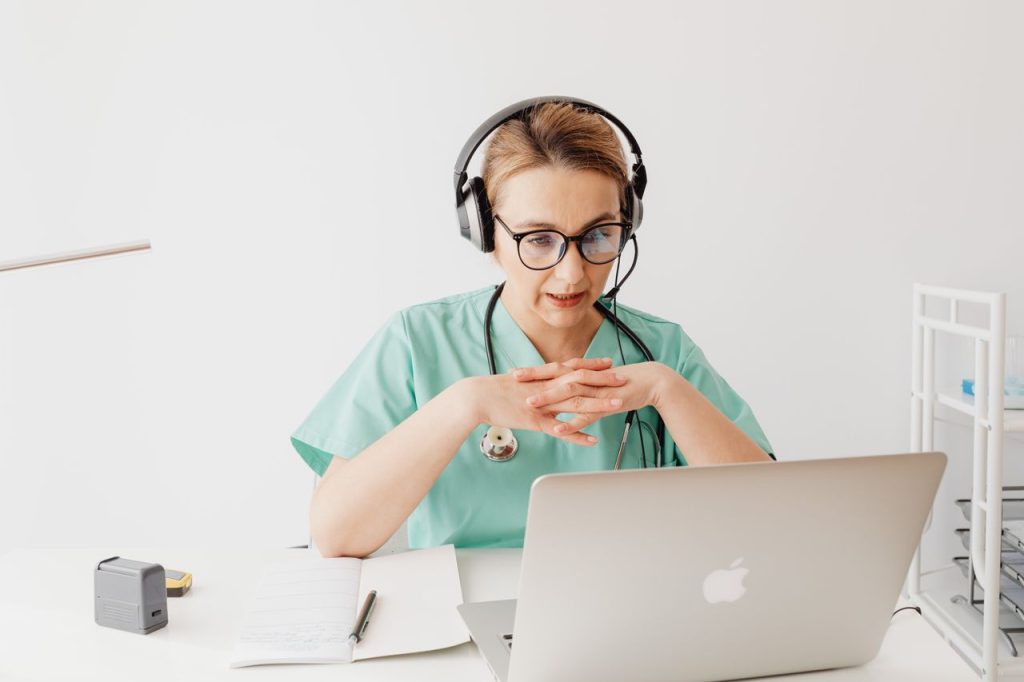
The digital front door of modern healthcare has inadvertently created an operational crisis. Patient portals, introduced to improve communication, have instead flooded clinics with an unmanageable volume of messages. Between urgent clinical questions, routine prescription refills, and administrative inquiries, the electronic inbox has become a primary driver of physician exhaustion. Medical staff now spend hours filtering through messages, struggling to separate critical patient emergencies from simple billing requests. To manage this communication overload, practices are turning to a targeted structural alternative: a clinical triage virtual assistant for medical offices.
By placing a clinically trained remote professional at the entrance of your digital workflow, your practice can resolve inbox backlogs, protect patient safety, and restore administrative balance to your entire clinical team.
The Inbox Crisis and the Need for a Virtual Assistant for Medical Offices
The primary issue with the patient portal is the lack of a filter. Messages arrive in a single, unstructured stream, forcing providers to treat every notification with equal urgency until it is read. A physician might spend valuable time opening messages about lost receipts only to find a critical update regarding a patient’s worsening cardiac symptoms buried several lines down. This lack of prioritization creates significant safety risks and slows down response times. It also adds a heavy burden of uncompensated administrative work to the physician’s day.
Deploying a specialized virtual assistant for medical offices changes this dynamic. Instead of relying on general administrative workers who may not understand complex medical terminology, Eternus Global embeds clinically literate professionals directly into your communication pipeline. Because these assistants are often registered nurses, pharmacists, or certified medical scribes, they have the training to evaluate incoming messages accurately. They act as an intelligent filter, sorting the inbox based on clinical protocols and ensuring that the healthcare provider only sees the messages that require their direct medical expertise. With a virtual assistant for medical offices, the practice can ensure that critical messages are flagged instantly, while administrative issues are handled without doctor intervention.
Protocol-Driven Workflows: Clearing the Backlog with a Virtual Assistant for Medical Offices
The integration of a remote specialist into your clinic’s messaging system follows a strict, highly organized structure. This ensures that all patient communications are handled efficiently without creating extra tasks for your local team. The process begins the moment a message hits the portal, where the virtual assistant for medical offices opens the file and evaluates its contents against your specific clinical guidelines. Administrative questions, such as requests for medical records or appointment changes, are resolved immediately by the assistant without bothering the clinical staff.
For clinical inquiries, the remote specialist performs the initial chart abstraction. If a patient sends a message about recent spikes in their blood pressure, the assistant pulls up the patient’s EHR history, reviews recent lab results, and gathers the relevant data. They then route the message to the physician alongside a clear summary of the patient’s history. This preparation allows the doctor to make an informed clinical decision in seconds. Furthermore, for telehealth visits, the clinical virtual assistant for medical offices acts as a virtual roomer, contacting the patient early to troubleshoot technology and verify current vital signs before the session begins.
Security Architecture: Data Protection and the Virtual Assistant for Medical Offices
Managing patient portal messages requires a strong commitment to data security and privacy regulations. IT directors and security officers are naturally protective of patient information, especially when remote workflows cross geographic borders. The risk of accidental data leaks or unauthorized access means that traditional, casual remote working models are not acceptable in a professional healthcare environment.
Eternus Global addresses these infrastructure concerns through a strict Zero-Possession Architecture. Our team members do not download patient data, nor can they store information locally on their own workstations. The virtual assistant for medical offices operates entirely within a secure Virtual Desktop Infrastructure. This system creates a monitored glass window into your network, where all operations happen on your own secure servers. System-level settings block all actions for copying, pasting, downloading, or printing information. This model ensures that using a virtual assistant for medical offices is fully compliant with HIPAA, GDPR, and SOC 2 Type II standards. It also complies with strict state regulations, such as Texas Senate Bill 1188, keeping your communication pipeline fully secure and compliant at all times.
The Malasakit Influence on a Virtual Assistant for Medical Offices
In a busy medical practice, digital messages can easily become cold and purely transactional. When office staff are overwhelmed, their written responses can sound brief or uncaring, which can damage the patient-provider relationship. A clinical virtual assistant for medical offices prevents this problem by bringing a deep cultural dedication to the care of your patients. At Eternus Global, our services are built on the cultural foundation of Malasakit. This term describes an intrinsic drive to show deep empathy and look after others as if they were members of your own family.
When our remote specialists handle portal communications, they ensure that every patient receives a compassionate, professional response. Whether they are walking a patient through a complex pre-appointment checklist or helping an anxious family member understand a delay in their prescription approval, our assistants provide their complete attention. This patient-centric focus turns what could be a cold digital interaction into a supportive experience, helping to boost patient satisfaction and build stronger loyalty to your practice. By integrating this philosophy, the virtual assistant for medical offices becomes a warm extension of your physical team, maintaining the highest levels of care.
Fractional Scalability for Changing Message Volumes
The volume of messages entering a clinic is rarely predictable. Portals often see massive spikes on Monday mornings or right after a holiday, leaving local administrative staff overwhelmed and behind schedule. Traditional hiring methods offer little flexibility, as you cannot easily scale full-time staff up or down to match these daily changes in workload.
Our clinical pod model provides true operational flexibility through fractional scalability. You can adjust the size of your dedicated virtual assistant for medical offices team based on your clinic’s actual message volume. During high-volume periods, your pod expands to ensure that response times stay low and your inbox remains clear. When message volumes drop, your support scales back automatically, protecting your operating margins from unutilized labor costs. This agile structure allows your practice to maintain consistent service quality without the overhead of traditional hiring models, making the virtual assistant for medical offices an incredibly cost-effective asset.
Restoring Efficiency to Modern Practice Management
Resolving the patient portal crisis requires a balanced combination of clinical knowledge, clear organization, and secure technology. By assigning the daily management of your digital inbox to an off-site clinical team, you protect your staff from administrative burnout and ensure that your patients receive timely, accurate care.
Transitioning to this remote model is designed to be straightforward and clear. Our integration specialists perform a detailed workflow analysis to map your current intake paths and identify where time is being lost. Within thirty days, we deploy a trained clinical pod that adapts to your EHR setup and clinical protocols, ensuring a smooth transition for your office. By introducing a dedicated virtual assistant for medical offices to manage your inbox, you turn a chaotic administrative burden into a reliable, secure, and patient-focused communication system.
Stop fighting your inbox and start managing care. Contact Eternus Global today to schedule a free workflow audit, and discover how our AI-augmented, physician-led clinical pods can transform your practice in less than 30 days.