
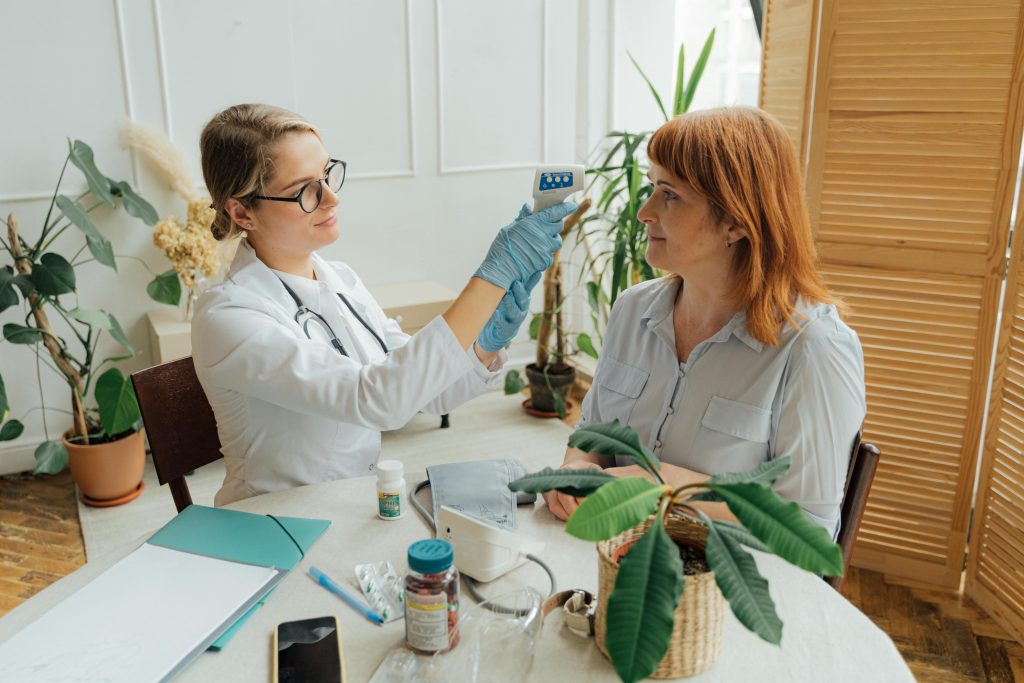
The United States healthcare infrastructure is currently navigating an era of unprecedented complexity. As we progress through 2026, the intersection of an aging demographic and a shrinking workforce has created a bottleneck that threatens the quality of care for those who need it most: patients with chronic diseases. Managing conditions like diabetes, hypertension, and congestive heart failure is no longer a matter of episodic office visits; it is a continuous, data-heavy coordination effort. For the independent practitioner, the sheer volume of administrative friction required to manage these patients has become unsustainable. This is where a specialized virtual assistant for medical offices becomes not just a support role, but a structural necessity for modern clinical survival.
The Association of American Medical Colleges has long warned of a physician shortage that could exceed 85,000 by 2036. For the clinicians currently in practice, the burden of managing chronic care is the primary driver of systemic burnout. Primary care providers often spend nearly half of their workday navigating Electronic Health Record (EHR) systems rather than engaging in direct patient care. By integrating a virtual assistant for medical offices, practices can offload the crushing weight of documentation, triage, and care coordination to a clinically trained, off-site team.
Clinical Coordination with a Virtual Assistant for Medical Offices
Chronic disease management is inherently fragmented. A single geriatric patient might see three specialists, take twelve medications, and require quarterly lab work. In a traditional office setting, the responsibility for tying these loose ends together falls on the physician or an overwhelmed in-house nurse. However, a virtual assistant for medical offices operating within a Clinical Intelligence Hub can transform this fragmented process into a streamlined workflow.
These assistants are not generalist data-entry clerks. At Eternus Global, our pods are staffed by Registered Nurses (RNs) and Pharmacists who possess a deep understanding of medical terminology and pathophysiology. They act as “Clinical Architects,” plugging directly into your EHR system to orchestrate the complex digital movements required for high-quality chronic care. They ensure that specialist notes are abstracted, lab results are flagged, and follow-up appointments are scheduled before the patient even leaves their initial consult.
The Role of a Virtual Assistant for Medical Offices in Remote Patient Monitoring
One of the most significant advancements in chronic disease management is Remote Patient Monitoring (RPM). While the technology to monitor blood glucose or blood pressure from a patient’s home is readily available, the data it generates can be overwhelming. A physician cannot realistically review hundreds of daily data points from fifty different patients. A virtual assistant for medical offices serves as the essential human-in-the-loop for RPM programs.
The virtual assistant monitors the incoming data streams in real-time. If a patient’s oxygen saturation drops or their blood glucose spikes beyond a predetermined threshold, the assistant identifies the “red flag” and escalates it to the physician immediately. Conversely, they handle the routine “green flag” data, documenting it in the EHR to ensure the practice meets the requirements for RPM reimbursement without the physician having to lift a finger. This proactive approach prevents hospitalizations and ensures that chronic conditions are managed with precision rather than reaction.
Enhancing Geriatric Care with a Virtual Assistant for Medical Offices
Elderly patients often present the most significant coordination challenges. Polypharmacy—the use of multiple medications—is a major risk factor for adverse drug events in the geriatric population. A virtual assistant for medical offices that is part of a pharmacist-led pod can perform rigorous medication reconciliations. This is particularly critical during care transitions, such as when a patient moves from a hospital to a skilled nursing facility (SNF).
The assistant cross-references the facility’s current orders against the hospital discharge summary. They look for missing medications, incorrect dosages, and dangerous duplicate therapies. By catching these errors early, the virtual assistant for medical offices protects patient safety and reduces the risk of costly readmissions. Furthermore, they manage the grueling prior authorization paperwork required for brand-name medications and specialized therapies, ensuring that elderly patients receive their treatments without administrative delays.
Triage and the Digital Front Door
The “inbox” is often the most stressful part of a physician’s day. For patients with chronic diseases, the portal is filled with questions about side effects, refill requests, and appointment changes. An RN-led virtual assistant for medical offices acts as the intelligent digital front door. They triage hundreds of daily messages, utilizing established clinical protocols to intercept and resolve minor inquiries.
When a patient sends a message regarding a minor symptom, the virtual assistant for medical offices can evaluate the concern, provide protocol-based guidance, or schedule a telehealth visit if necessary. This keeps the physician’s inbox clear for high-acuity clinical decisions. Additionally, they act as “virtual roomers” for telehealth appointments, contacting the patient fifteen minutes early to troubleshoot technology and update vital signs, ensuring the physician’s time is spent entirely on clinical consultation.
Why Practices Need a Specialized Virtual Assistant for Medical Offices
Hiring in-house administrative staff involves exorbitant overhead. Beyond the base salary, a practice must account for payroll taxes, health insurance, retirement benefits, and the physical space required for an employee. Moreover, the turnover rate in healthcare support roles is at an all-time high. A virtual assistant for medical offices provides a more stable and cost-effective alternative.
By partnering with a specialized agency like Eternus Global, clinics can deploy “Fractional Clinical Pods.” Instead of hiring three separate full-time employees for coding, scheduling, and billing, a clinic can utilize a cross-functional remote team. This model routinely results in a 40% to 70% reduction in operating expenses. Because these assistants are already clinically trained, the “time to deploy” is under 30 days, compared to the months it takes to find and train a local hire.
Security and Compliance for the Virtual Assistant for Medical Offices
For many healthcare executives, the primary hesitation regarding offshore assistance is data security. At Eternus Global, we have engineered compliance into the bedrock of our operations. A virtual assistant for medical offices accesses your EHR through a “Zero-Possession Architecture.” This zero-trust model ensures that no Protected Health Information (PHI) ever leaves your United States-based servers.
The assistant uses a highly secure, encrypted Virtual Desktop Infrastructure (VDI), which acts simply as a “glass window” into your system. System-level restrictions are hard-coded to disable all capabilities for downloading, copying, or printing data. This ensures absolute compliance with HIPAA and GDPR, as well as aggressive state-level legislation like Texas Senate Bill 1188. With multi-factor authentication and independent SOC 2 Type II audit trails, the security of a professional virtual assistant for medical offices often exceeds that of an in-house team.
The Malasakit Advantage in Chronic Care
Managing a chronic disease is an emotional journey for the patient. An abrasive or purely transactional interaction with medical staff can damage patient trust. Elite hubs for the virtual assistant for medical offices, particularly those based in the Philippines, anchor their service in the cultural trait of “Malasakit”—a profound sense of empathy and compassion.
When a virtual assistant calls an elderly patient to check on their remote blood pressure monitor or navigates a frustrated family member through an insurance denial, they do so with a warmth that patients can feel. This intrinsic empathy improves Patient Experience (PX) metrics and fosters deep loyalty to your practice. The virtual assistant for medical offices becomes an extension of your bedside manner, ensuring that patients feel cared for even between physical appointments.
AI-Scribe Auditing and Quality Assurance
The era of manual transcription is ending, replaced by ambient AI scribes that listen to patient encounters. However, AI is not infallible; it can “hallucinate” or miss contextual nuances. A clinical virtual assistant for medical offices is indispensable in this hybrid workflow. They audit the AI-generated SOAP notes for absolute clinical accuracy, ensuring the formatting complies with your clinic standards.
This oversight allows the physician to leave the clinic at 5:00 PM with all charts closed. The virtual assistant for medical offices handles the polishing of the documentation, leaving the physician with only a final signature. This reclamation of “pajama time” is perhaps the most significant benefit for physicians struggling with the demands of chronic disease management.
Strategic Growth with a Virtual Assistant for Medical Offices
Integrating a virtual assistant for medical offices is not merely an operational workaround; it is a strategic maneuver for growth. When the physician is no longer bogged down by administrative friction, the practice can see more patients and offer more specialized services. The ability to provide comprehensive chronic care coordination also opens up new revenue streams through value-based care models and Medicare’s Chronic Care Management (CCM) codes.
A specialized virtual assistant for medical offices ensures that the documentation for these codes is meticulous and audit-ready. They track the “minutes of care” provided to each patient, ensuring that the practice is fully reimbursed for the complex coordination work that usually goes uncompensated. In this way, the virtual assistant pays for itself many times over while simultaneously elevating the standard of care.
The 3-Step Integration Process
Adopting a virtual assistant for medical offices through Eternus Global is a streamlined process designed to minimize disruption:
- Workflow Mapping: A clinical architect shadows your team for five days to identify where time is being lost and designs a custom Pod configuration.
- Pod Embedding: Your dedicated team of RNs, pharmacists, and scribes embeds into your EHR through our secure VDI.
- Final Review: You maintain clinical authority. You review the finished charts and coordination logs, providing the final sign-off while our team handles the execution.
The Future of the Virtual Assistant for Medical Offices
As we look toward the future of healthcare, the traditional, fragmented in-house model is no longer sufficient to meet the needs of chronic disease patients. The strategic support of a highly trained, clinically literate virtual assistant for medical offices is the essential infrastructure required to build a sustainable and patient-centric practice.
By delegating the weight of administrative friction to an off-site Clinical Intelligence Hub, you empower your physicians to do what they were trained to do: practice medicine. The virtual assistant for medical offices ensures that the data is managed, the patients are tracked, and the practice remains profitable in a complex regulatory landscape.
The physician shortage is real, and the burden of chronic disease is growing. However, with the right structural support, your practice can thrive. Trusted since 2009, Eternus Global has been a leader in providing the clinical rigor and security necessary for high-stakes medical environments. Whether you are managing an independent primary care practice or a large skilled nursing facility, the impact of a virtual assistant for medical offices is transformative.
Stop fighting your inbox and start managing care. Contact Eternus Global today to schedule a free workflow audit and discover how our AI-augmented, physician-led clinical pods can transform your practice in less than 30 days.