
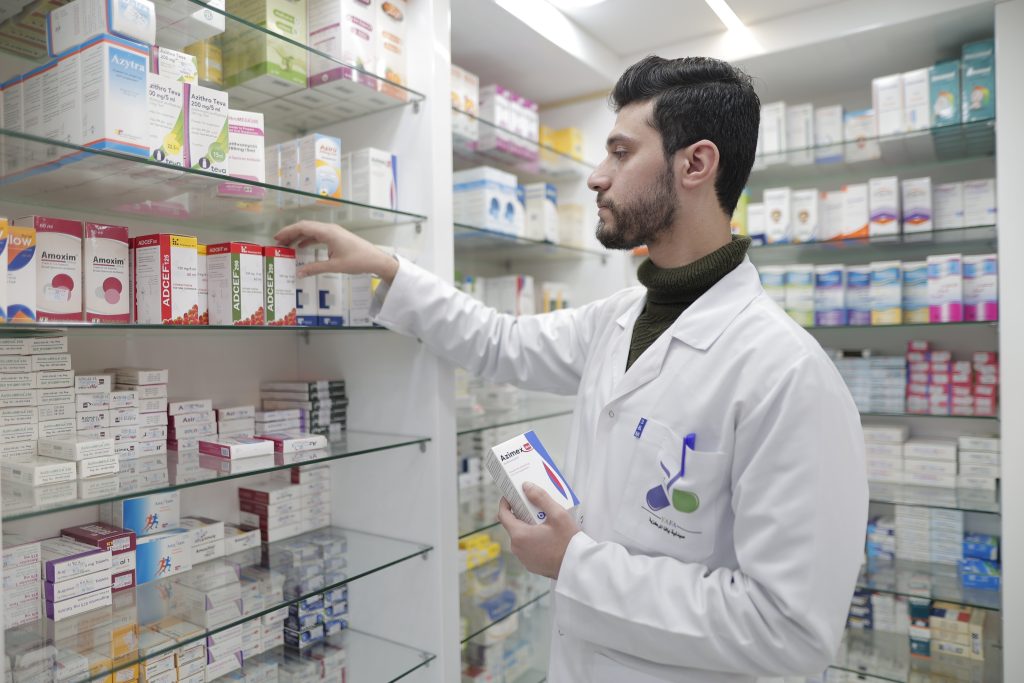
In the high-stakes arena of drug safety and global compliance, the margin for error is non-existent. As we navigate the complex pharmaceutical landscape of 2026, the volume of safety data generated from clinical trials, post-marketing surveillance, and social media listening has reached an inflection point. Pharmaceutical companies, Contract Research Organizations (CROs), and biotech startups are increasingly finding that traditional, localized staffing models are too slow and too expensive to keep pace with modern regulatory demands. This operational gap is being bridged by a new standard of support: the healthcare virtual assistant dedicated to pharmacovigilance (PV).
But what does a healthcare virtual assistant actually do in the context of drug safety? It is a common misconception that a virtual assistant is a generalist performing administrative data entry. In the domain of pharmacovigilance, a premium healthcare virtual assistant from an organization like Eternus Global is a clinically trained professional—often a registered nurse, a licensed pharmacist, or a physician—who possesses a deep understanding of Medical Dictionary for Regulatory Activities (MedDRA) coding, signal detection, and the nuances of Adverse Event (AE) reporting.
Redefining the Role in Drug Safety
Pharmacovigilance is the science and activities relating to the detection, assessment, understanding, and prevention of adverse effects or any other medicine-related problems. It is the bedrock of patient safety. However, the administrative burden of processing thousands of Individual Case Safety Reports (ICSRs) can overwhelm even the most robust safety departments. Integrating a healthcare virtual assistant into your safety workflow allows your core team to focus on high-level medical benefit-risk assessments while the assistant manages the rigorous technical execution of case processing.
At Eternus Global, founded in 2009 as Scriptus Medical Writing & Research Services, we have spent nearly two decades refining the intersection of clinical expertise and remote operations. Our history is rooted in the peer-reviewed rigor of medical research, which means every healthcare virtual assistant we deploy for pharmacovigilance operates with a scientist’s eye for detail. They are not merely filling out forms; they are identifying potential safety signals that could impact the lifecycle of a drug.
Core Responsibilities of a Healthcare Virtual Assistant for Pharmacovigilance
The scope of a healthcare virtual assistant in a PV pod is extensive and highly specialized. Because our team members are clinically literate, they can perform tasks that would typically require an expensive in-house safety officer.
1. Case Intake and Triage: Every safety report, whether it comes from a healthcare professional, a patient, or a scientific journal, must be captured and triaged within strict regulatory timelines (often 24 hours for serious events). A healthcare virtual assistant serves as the initial clinical filter. They monitor intake channels, identify the “four elements” of a valid case (an identifiable reporter, an identifiable patient, a suspect product, and an adverse event), and determine the seriousness and expectedness of the event.
2. MedDRA Coding and Data Entry: Consistency is vital in safety databases. A healthcare virtual assistant ensures that all adverse events and medical histories are coded according to the latest MedDRA and WHODrug dictionaries. Their clinical background allows them to choose the “Lowest Level Term” (LLT) that most accurately reflects the reporter’s verbatim description, preventing the loss of clinical nuance that often occurs with non-medical staff.
Case Processing and Narrative Writing with a Healthcare Virtual Assistant
One of the most time-consuming aspects of pharmacovigilance is the drafting of case narratives. A narrative must be a clear, concise, and chronological account of the patient’s experience, including relevant medical history, concomitant medications, and the evolution of the adverse event. A healthcare virtual assistant with medical writing expertise can synthesize complex medical records into a regulatory-ready narrative.
By utilizing a healthcare virtual assistant, safety departments can ensure that their narratives are not just compliant but high-quality. These assistants know how to look for missing information and will proactively initiate “follow-up” queries to reporters to clarify discrepancies or obtain missing lab values. This proactive approach significantly reduces the “query backlog” that plagues many safety departments.
Maintaining Global Regulatory Compliance via a Healthcare Virtual Assistant
The regulatory landscape is not a monolith. Reporting requirements vary between the FDA in the United States, the EMA in Europe, and other regional agencies like the MHRA in the UK or the PMDA in Japan. A healthcare virtual assistant provides the “follow-the-sun” coverage necessary to meet these diverse timelines.
Eternus Global operates through multiple global hubs in the United States, UK, Spain, Bulgaria, and Australia. This means your safety operations never sleep. While your US-based team is offline, your healthcare virtual assistant in Europe or Australia is processing cases, ensuring that 7-day and 15-day expedited reports are submitted on time, every time. This global reach also allows us to serve patients and reporters in multiple languages, including English, Spanish, Bulgarian, German, and French, which is essential for global post-marketing surveillance.
The Security Infrastructure Behind Your Healthcare Virtual Assistant
In pharmacovigilance, the security of patient data is as important as the clinical accuracy of the report. The idea of “offshore” support often raises concerns about data privacy and HIPAA compliance. However, the technology used by a modern healthcare virtual assistant is designed to exceed the security standards of many traditional offices.
Eternus Global utilizes a Zero-Possession Architecture. Our team members access your safety database or EHR exclusively through a hardened Virtual Desktop Infrastructure (VDI). This creates a secure “glass window” environment. The healthcare virtual assistant can work within your systems, but absolutely no Protected Health Information (PHI) ever leaves your local, secure servers. Our systems are hard-coded to block downloading, copying, pasting, or printing, ensuring absolute compliance with HIPAA, GDPR, and SOC 2 Type II regulations. We also maintain strict adherence to Texas Senate Bill 1188, ensuring that no electronic health records are stored offshore.
Why Choose a Specialized Healthcare Virtual Assistant over In-House PV Staff?
The financial argument for the healthcare virtual assistant model is undeniable. Hiring an in-house Pharmacovigilance Officer in 2026 involves significant overhead. Beyond the base salary, you are looking at payroll taxes, comprehensive benefits, physical office space, and the continuous costs of software licenses and hardware. When you factor in the high turnover rate in the pharmaceutical industry, the cost of recruiting and retraining staff can cripple a small biotech budget.
A healthcare virtual assistant through a fractional clinical pod offers a 40% to 70% reduction in operating expenses. You aren’t just saving money; you are gaining flexibility. You can scale your safety team up during a product launch or peak trial period and scale back during quieter phases. Furthermore, because our assistants are already clinically trained (RNs, Pharmacists), you spend less time on basic medical training and more time on your specific protocol or product-specific safety profile.
Scaling Your Safety Operations with a Healthcare Virtual Assistant Pod
We don’t believe in a “one-size-fits-all” approach. Instead, we deploy Fractional Clinical Pods. A pod is a cross-functional team led by a clinical architect who understands your specific safety goals. This pod might include a healthcare virtual assistant for case processing, a pharmacist for medication reconciliation, and a medical writer for Periodic Safety Update Reports (PSURs).
This pod-based model ensures that there is never a single point of failure. If one team member is away, the rest of the pod—already familiar with your safety database and Standard Operating Procedures (SOPs)—steps in to maintain continuity. This level of stability is why our average client tenure is over five years. We become a seamless extension of your internal safety department.
The “Malasakit” Difference in Pharmacovigilance
Safety reporting can often feel like a purely bureaucratic exercise. However, at the end of every report is a patient. At Eternus Global, our culture is built on the concept of Malasakit—the Filipino word for deep, intrinsic empathy. When a healthcare virtual assistant processes a safety report, they do so with the understanding that this data could save a life.
This cultural commitment to “caring as if it were your own” translates into a higher standard of data integrity. Our team doesn’t just check boxes; they look for the “why” behind the data. This dedication is especially critical during signal detection, where the ability to see patterns and nuances in patient narratives can lead to earlier identification of previously unknown risks.
Signal Detection and Risk Management Support
As your product moves through its lifecycle, the healthcare virtual assistant plays a key role in signal detection. They assist in the systematic review of safety databases to identify new or changing safety risks. They help compile data for Risk Management Plans (RMP) and assist in the preparation of Benefit-Risk Evaluations.
In 2026, many signal detection processes are being augmented by AI. However, AI is only as good as the data it is fed. A clinically literate healthcare virtual assistant ensures that the data going into your AI tools is clean, coded correctly, and contextually accurate. They also provide the necessary human oversight to validate AI-generated alerts, ensuring that your safety team isn’t chasing “false positives.”
Conclusion: Sustainable Safety Excellence
The future of pharmacovigilance is not found in massive, centralized offices with thousands of employees. It is found in agile, high-intelligence clinical hubs that can respond to regulatory changes and data surges in real-time. By integrating a healthcare virtual assistant into your safety strategy, you are building a sustainable infrastructure that prioritizes patient safety while optimizing financial resources.
The transition to a remote clinical pod is a strategic maneuver that allows your organization to remain competitive in a rapidly evolving market. You gain access to a global pool of clinical talent, enterprise-grade security, and a culture of empathy—all while significantly reducing your operational overhead.
Whether you are managing a Phase I clinical trial or a global post-marketing portfolio, the support of a dedicated healthcare virtual assistant ensures that your safety compliance is ironclad. You move from being reactive to being proactive, transforming your pharmacovigilance department from a cost center into a center of excellence.
Stop fighting your inbox and start managing care. Contact Eternus Global today to schedule a free workflow audit and discover how our AI-augmented, physician-led clinical pods can transform your practice in less than 30 days.