
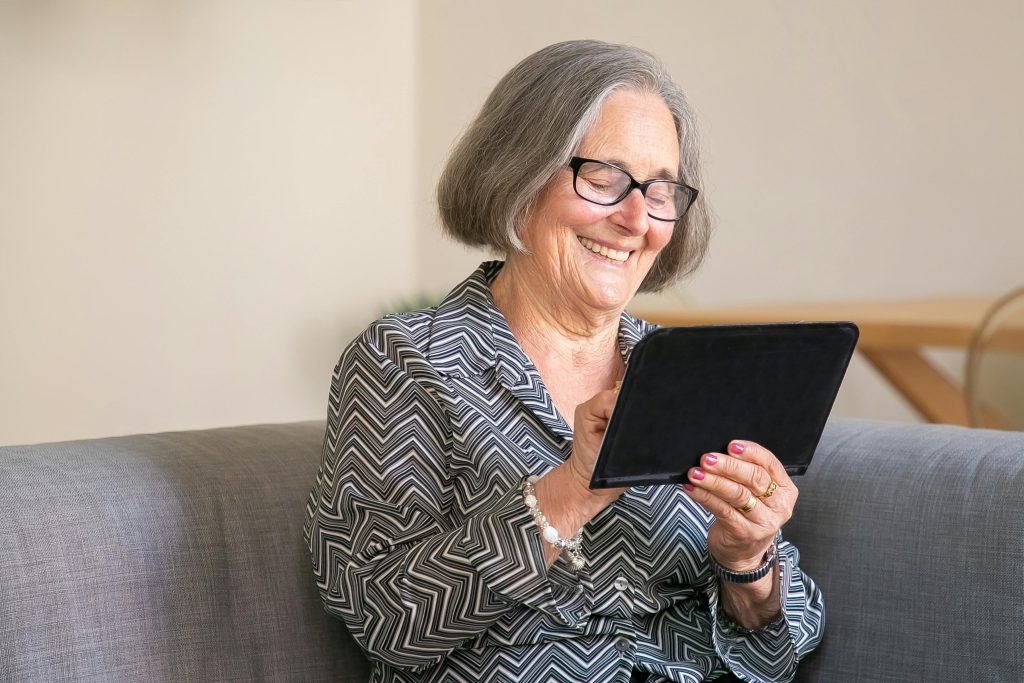
The year 2026 marks a significant turning point in global healthcare. The so-called “Silver Tsunami” has arrived, with the geriatric population reaching unprecedented numbers. As our senior citizens live longer, their healthcare needs become increasingly complex, often requiring coordinated efforts across multiple specialties, chronic disease management programs, and long-term care facilities. For the modern medical practice, the challenge is no longer just providing clinical care; it is about managing the administrative friction that threatens to alienate elderly patients. In this high-stakes environment, elevating the virtual assistant customer experience for senior patients has become a moral and operational imperative.
Geriatric patients often face unique hurdles when navigating the healthcare system. Cognitive decline, hearing loss, and a general discomfort with rapidly evolving technology can make a simple task like scheduling an appointment or requesting a prescription refill feel like an insurmountable obstacle. When a practice relies on overstretched in-house staff, these patients often feel rushed or ignored. However, by integrating specialized clinical pods into the workflow, practices can offer a level of patience and empathy that defines a superior virtual assistant customer experience in medicine.
At Eternus Global, we have understood this need since our founding in 2009. Originally known as Scriptus Medical Writing and Research Services, we have evolved into a Clinical Intelligence Hub that prioritizes the human element of healthcare. We recognize that for a senior patient, the person on the other end of the line or the patient portal isn’t just an assistant; they are a lifeline. By focusing on a clinically literate and empathetic approach, we transform the way practices interact with their most vulnerable populations.
Integrating Malasakit Into The Virtual Assistant Customer Experience
In the Filipino culture, there is a word that guides everything we do: “Malasakit.” It refers to an intrinsic, deep sense of empathy—caring for a project or a person as if they were your own family. When we apply this philosophy to geriatric care, it fundamentally changes the nature of patient interactions. Senior patients do not want a transactional relationship; they want to feel heard and respected. A successful virtual assistant customer experience in this context requires more than just technical proficiency; it requires the “soft skills” that foster trust.
Our clinical pods, staffed by Registered Nurses and Pharmacists, are trained to navigate the complexities of geriatric communication. This might mean speaking more slowly and clearly during a telehealth onboarding call or taking the extra five minutes to explain a medication change to a confused family member. This level of dedicated attention is rarely possible for in-house staff who are simultaneously managing a busy physical waiting room. By offloading these interactions to a dedicated remote team, the practice ensures that every senior patient receives a compassionate and unhurried interaction.
Furthermore, this cultural dedication helps bridge the “digital divide.” Many elderly patients are hesitant to use patient portals or remote monitoring devices. A key component of bridging the gap through a refined virtual assistant customer experience involves “virtual rooming.” Our assistants contact patients before their appointments to troubleshoot technology, ensuring the patient feels confident and comfortable before the physician joins the call. This proactive support reduces patient anxiety and ensures that the clinical encounter is focused on health, not hardware.
Clinical Triage As The Engine Of The Virtual Assistant Customer Experience
In geriatrics, clinical triage is not just about sorting messages; it is about identifying subtle changes in health before they become emergencies. Because our teams are clinically trained, they possess the literacy to recognize “red flags” that a generalist would miss. Whether it is a slight increase in a patient’s reported blood pressure or a mention of a new dizzy spell, clinical triage is the engine of the virtual assistant customer experience that saves lives.
Our RN-led pods monitor patient portal messages and remote patient monitoring (RPM) data in real-time. For a geriatric practice, this means that hundreds of daily inquiries are evaluated through a clinical lens. Administrative questions are resolved instantly, while clinical escalations are routed to the physician with a summarized context. This prevents “inbox overload” and ensures that the physician can focus on the 85,000-physician shortage predicted by 2036. By ensuring the doctor only sees what they need to see, the practice operates with a higher level of efficiency and safety.
This triage also extends to medication management. Polypharmacy is a major risk factor for the elderly. Our pharmacist-led pods perform rigorous medication reconciliations, especially during care transitions from a hospital to a Skilled Nursing Facility (SNF). By cross-referencing discharge orders with the facility’s current list, we identify duplicate therapies or dangerous interactions. This high-level clinical oversight is a hallmark of enhancing the virtual assistant customer experience in long-term care settings, ensuring that patient safety is never compromised by administrative oversight.
Security As The Foundation Of A Trusted Virtual Assistant Customer Experience
For a medical practice to successfully implement a remote support model, there must be an ironclad commitment to data security. Trust is the absolute currency of the medical profession, and a single breach of Protected Health Information (PHI) can destroy a practice’s reputation. At Eternus Global, security is the foundation of a trusted virtual assistant customer experience, and we build that foundation through our Zero-Possession Architecture.
Unlike standard BPO models, where data might be stored on offshore servers, our architecture ensures that no PHI ever leaves your US-based environment. Our clinicians access your EHR exclusively through a hardened Virtual Desktop Infrastructure (VDI). This acts as a secure “glass window.” Our team can see and interact with the patient data, but system-level restrictions prevent any downloading, copying, pasting, or local caching. This provides absolute compliance with HIPAA, GDPR, and SOC 2 Type II standards.
We are also deeply aware of aggressive state-level legislation, such as Texas Senate Bill 1188, which explicitly prohibits the offshore storage of electronic health records. By utilizing a Zero-Possession model, we ensure that your practice passes even the most rigorous hospital compliance audits. This security-first mindset allows physicians to rest easy, knowing their patients’ sensitive data is handled with the same care and legal rigor as it would be in a physical office.
The Measurable Impact Of A Superior Virtual Assistant Customer Experience
Transitioning to a clinical pod model is not just a clinical or ethical decision; it is a strategic financial move. US physician practices spend billions annually on administrative tasks and quality-measure reporting. In a world where reimbursements are shrinking and operating costs are rising, the measurable impact of a superior virtual assistant customer experience is reflected in the bottom line.
Most Eternus Global clients see a 40% to 70% reduction in operating expenses (OpEx) within the first quarter. This is achieved by converting fixed labor costs—like the high salary, benefits, and payroll taxes of an in-house hire—into a flexible, fractional model. You no longer pay for a staff member to sit at a desk during a lull; you pay for a block of clinical hours that scale with your patient volume. Furthermore, our “Follow-the-Sun” model, with hubs in the US, UK, Spain, Bulgaria, and Australia, ensures that work continues 24/7.
While you sleep, your pod is closing charts, answering portal messages, and preparing the next day’s pre-charting. This eliminates “pajama time” documentation for the physician and ensures that the clinic opens every morning with a clean slate. When the financial health of the practice is stable, the physicians and staff are less stressed, which in turn leads to a more positive environment for the patients. It is a virtuous cycle that starts with a commitment to an optimized workflow.
Strategies For A Compassionate Virtual Assistant Customer Experience
To truly excel in geriatric care, a practice must adopt specific strategies that prioritize the senior patient’s perspective. These strategies go beyond the EHR and into the realm of human connection. Proactive outreach defines the modern virtual assistant customer experience, particularly for patients managing chronic conditions like diabetes, heart failure, or dementia.
One such strategy is the “Wellness Check-In.” Our clinical pods don’t just wait for the patient to call; they proactively reach out to high-risk seniors to ensure they are adhering to their medication schedules and to check their latest vital signs from their remote monitoring devices. For a senior living alone, a five-minute call from a kind, clinically trained professional can prevent a hospitalization and provide a profound sense of security.
Another strategy involves family coordination. In geriatrics, the “customer” is often the patient’s adult child or caregiver. Specialized training for an elite virtual assistant customer experience includes learning how to navigate the complex dynamics of family caregiving. Our assistants act as the central point of communication, ensuring that everyone in the patient’s care circle is on the same page regarding appointments, medication changes, and specialist referrals. This transparency reduces family stress and ensures a higher level of care continuity.
Bridging Language and Cultural Barriers
As our society becomes more diverse, the ability to communicate in the patient’s native language is a critical component of care. Multilingual support enriches the virtual assistant customer experience, allowing patients to express their symptoms and concerns in the language they are most comfortable with. Eternus Global provides native-fluent clinicians who serve patients in English, Spanish, Bulgarian, German, and French.
For a senior immigrant patient, the ability to speak with an RN who understands their cultural nuances is invaluable. It prevents misunderstandings that could lead to medication errors or missed diagnoses. By offering this global delivery model, we help practices expand their reach and serve a wider demographic without the exorbitant cost of hiring local translators for every possible language. This inclusivity is not just a feature; it is a cornerstone of modern, equitable healthcare.
The Future of Care is Human-Centric
As we look toward the future, the role of AI in healthcare will only continue to grow. We utilize agentic AI orchestration—using advanced tools for scribing, summarization, and prior authorizations—to speed up the administrative process. However, the future of the virtual assistant customer experience is human-centric. AI is the engine, but the human clinician is the pilot.
We use AI to handle the “heavy lifting” of data organization, but every output is audited and refined by a clinically literate team member. This prevents the “hallucinations” and contextual errors that purely automated tools are prone to. A senior patient should never feel like they are talking to a robot. They should feel that they are talking to a person who has the best technology at their fingertips to help them live a healthier life. This hybrid model—AI-augmented and physician-led—is the only way to meet the escalating demands of the 2026 healthcare system.
Prioritizing a seamless virtual assistant customer experience across all touchpoints ensures that your practice remains competitive, compliant, and most importantly, compassionate. By delegating the crushing weight of administrative friction to a Clinical Intelligence Hub, you empower your physicians to do what they do best: practice medicine. The era of the overwhelmed, burnt-out physician is ending, replaced by a new model of supported clinical leadership.
Eternus Global is ready to help you navigate this transition. With over 16 years of experience and a global footprint, we bring the clinical rigor of a CRO and the empathy of a local practice to every pod we deploy. We don’t just provide a service; we provide a partnership that scales with your ambition.
Stop fighting your inbox and start managing care. Contact Eternus Global today to schedule a free workflow audit and discover how our AI-augmented, physician-led clinical pods can transform your practice in less than 30 days.