
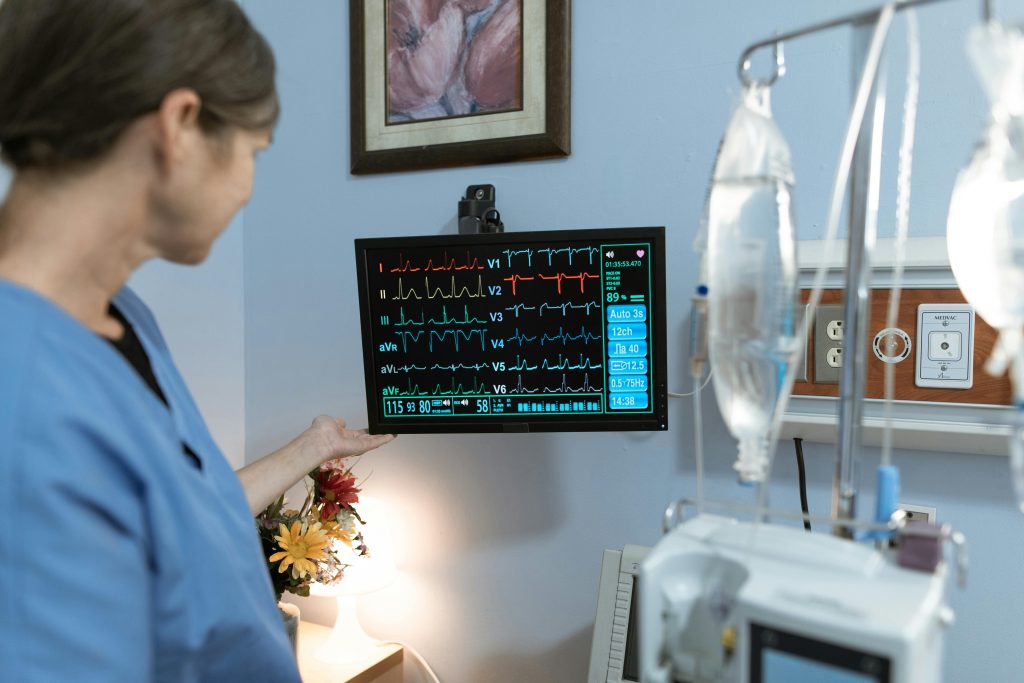
The American healthcare landscape is currently undergoing a massive structural shift toward proactive, value-based care. Family medicine, the cornerstone of our healthcare system, is at the epicenter of this transformation. However, family physicians are facing a paradox: while technology like Remote Patient Monitoring (RPM) provides more data than ever before, doctors have less time than ever to interpret it. The burden of managing chronic conditions like hypertension, diabetes, and heart failure has moved from the exam room to the digital screen, leading to a new form of administrative exhaustion. To manage this influx of data without sacrificing patient care or personal well-being, the modern practice requires a specialized virtual assistant for family medical doctors.
Historically, family medicine relied on episodic care—seeing a patient once every three to six months and hoping their vitals remained stable in the interim. Today, RPM allows for a continuous stream of data, including blood pressure readings, glucose levels, and weight fluctuations, to flow directly into the Electronic Health Record (EHR). While this data is lifesaving, it is also overwhelming. A family physician managing five hundred high-risk patients cannot realistically monitor five hundred digital dashboards daily. This is where a virtual assistant for family medical doctors becomes an essential clinical architect, transforming raw data into actionable insights and ensuring that early interventions happen before a health crisis occurs.
The Role of a Virtual Assistant for Family Medical Doctors in RPM
The implementation of an RPM program is often stalled by the sheer volume of “noise” it generates. If every minor fluctuation in a patient’s blood pressure triggered an alert for the physician, the clinic would grind to a halt. A virtual assistant for family medical doctors acts as the primary clinical filter in this ecosystem. These are not generalist administrative workers; at Eternus Global, our team members are often Registered Nurses (RNs) and clinically trained professionals who understand the nuances of chronic disease management.
When a patient’s smart device transmits a reading that falls outside of the established parameters, the virtual assistant for family medical doctors is the first to see it. They utilize established clinical protocols to determine if the reading is an anomaly, a technical error, or a genuine medical concern. For example, if a patient with congestive heart failure shows a sudden two-pound weight gain overnight, the virtual assistant does not wait for the doctor to find that note at the end of the day. They proactively reach out to the patient, verify the reading, check for symptoms of edema, and then present a summarized “escalation” to the physician. This ensures the doctor is only interrupted for cases that truly require their expertise.
Bridging the Gap with a Specialized Virtual Assistant for Family Medical Doctors
The true value of a virtual assistant for family medical doctors lies in their ability to manage the time-intensive requirements of RPM billing and compliance. To bill for RPM services under CPT codes like 99457 and 99458, a clinical staff member must spend at least twenty minutes per month engaging in interactive communication with the patient or caregiver. For a busy family doctor, finding twenty minutes per patient, per month, is virtually impossible.
A virtual assistant for family medical doctors takes ownership of this interaction. They conduct the monthly check-ins, discuss the data with the patient, and encourage adherence to the treatment plan. This constant engagement does more than just secure reimbursement; it fosters a deeper relationship between the patient and the practice. Patients feel more “seen” and supported when they know a clinical professional is watching their numbers in real-time. This proactive oversight by a virtual assistant for family medical doctors drastically reduces emergency room visits and hospital readmissions, which are the primary drivers of healthcare costs in the United States.
The Clinical Pod Model: Enhancing Family Medicine
At Eternus Global, we do not simply assign a solo worker to your clinic. We deploy “Clinical Pods.” This means your virtual assistant for family medical doctors is backed by a cross-functional team of RNs, pharmacists, and medical writers. This model is particularly effective for family practices that manage complex geriatric populations. For instance, a pharmacist within the pod can perform medication reconciliation when RPM data suggests a drug-drug interaction is causing a patient’s blood pressure to spike.
Our pods have been trusted since 2009, when we began as Scriptus Medical Writing & Research Services. We have since scaled into a global Clinical Intelligence Hub with hubs in the United States, United Kingdom, Spain, Bulgaria, and Australia. This “follow-the-sun” model ensures that your RPM data is being monitored even when your physical office is closed. A virtual assistant for family medical doctors can triage an overnight glucose spike and have a summarized report ready for the physician by 8:00 AM, allowing for immediate medication adjustments.
Why Security is Central to the Virtual Assistant for Family Medical Doctors
For any family medical doctor, the security of patient data is a non-negotiable priority. The idea of offshore assistance often raises concerns about HIPAA compliance and data breaches. Eternus Global addresses these concerns through our “Zero-Possession Architecture.” In this model, your virtual assistant for family medical doctors never actually “possesses” your data. They access your EHR exclusively through a hardened Virtual Desktop Infrastructure (VDI).
This VDI acts as a glass window. The virtual assistant can see and input data into your Epic, Cerner, or athenahealth system, but they cannot download, copy, paste, or print any Protected Health Information (PHI). This architecture is engineered to pass the most rigorous SOC 2 Type II audits and is fully compliant with Texas Senate Bill 1188, which prohibits the offshore storage of electronic health records. By utilizing a virtual assistant for family medical doctors through this secure framework, family practices can enjoy the benefits of global talent without compromising the integrity of their patient data.
Fighting Burnout and Reclaiming “Pajama Time”
Physician burnout in family medicine has reached epidemic levels, with documentation and inbox management being the primary culprits. Many doctors spend their evenings engaged in “pajama time”—charting and reviewing data long after their families have gone to sleep. A virtual assistant for family medical doctors is the most effective tool for reclaiming those hours.
By offloading the daily monitoring of RPM dashboards, the virtual assistant ensures that the doctor’s inbox is reserved for critical clinical decisions rather than routine data entry. The assistant audits AI-generated scribes, ensures that SOAP notes are accurate and formatted correctly, and handles the grueling paperwork associated with prior authorizations. When a virtual assistant for family medical doctors manages these frictions, the physician can return to the reason they entered medicine: the human connection with the patient.
The Cultural Advantage: Malasakit in Virtual Care
In family medicine, the quality of interaction is just as important as the accuracy of the data. Our team members are selected for a cultural trait known as “Malasakit.” This is a Filipino term that describes a deep, intrinsic sense of empathy and caring for others as if they were family. When a virtual assistant for family medical doctors interacts with your patients via a telehealth onboarding call or an RPM follow-up, that empathy is palpable.
Patients, especially the elderly, can be intimidated by new technology like remote blood pressure cuffs or glucose monitors. A virtual assistant for family medical doctors who approach these patients with Malasakit can patiently guide them through the setup, troubleshoot their technical issues, and explain why their data matters. This increases patient adherence to RPM programs, which in turn leads to better clinical outcomes and higher Patient Experience (PX) scores for the practice.
Scalability and Financial Health for the Modern Practice
The economics of a traditional family practice are often strained by high overhead and low reimbursement rates. Hiring in-house clinical staff to manage an RPM program is expensive, especially when you factor in benefits, payroll taxes, and office space. A virtual assistant for family medical doctors offers a fractional, scalable solution that typically results in a 40 to 70 percent reduction in operating expenses.
Instead of hiring three full-time employees to manage coding, scheduling, and RPM monitoring, a clinic can utilize a Clinical Pod. This allows the practice to scale its support based on patient volume. As your RPM program grows from fifty patients to five hundred, your virtual assistant for family medical doctors support scales with you, ensuring that the quality of care never wavers. This financial efficiency is what allows independent family practices to remain competitive in an era of massive hospital consolidation.
From Data Entry to Clinical Intervention
The goal of any family medical doctor is early intervention. We want to catch the kidney dysfunction before it becomes failure; we want to stabilize the blood pressure before it becomes a stroke. RPM provides the data required for this level of care, but only a virtual assistant for family medical doctors provides the labor required to execute it.
Our assistants are trained to look for patterns. They don’t just see a single high reading; they see a trend over seven days that suggests a patient’s diuretic needs to be adjusted. They compile these trends into a concise report, citing the specific clinical guidelines, and queue it for the doctor’s review. This shifts the doctor’s role from “data seeker” to “decision maker.” By delegating the administrative and monitoring heavy lifting to a virtual assistant for family medical doctors, the practice becomes a high-intelligence hub that operates with surgical precision.
The Future of Family Medicine is Augmented
We believe that the future of healthcare is a hybrid of advanced technology and human empathy. Ambient AI scribes and smart medical devices are powerful tools, but they require a “human in the loop” to ensure accuracy and safety. A virtual assistant for family medical doctors is that essential human link. They audit the AI, verify the device data, and provide the empathetic voice that patients trust.
Eternus Global has spent over sixteen years refining this model. We don’t just provide a service; we provide a partnership. We begin by mapping your specific workflow, identifying where your clinic is losing time, and then designing a Clinical Pod that fits your unique needs. Whether you are a solo practitioner or a large multi-site family medicine group, a virtual assistant for family medical doctors can transform your operational health in less than 30 days.
The United States healthcare system is moving toward a model where physicians are rewarded for the quality of their outcomes rather than the quantity of their visits. In this new world, a virtual assistant for family medical doctors is not a luxury—it is the foundational infrastructure required to succeed. By managing the digital front door, the RPM data stream, and the complexities of the EHR, our assistants allow family doctors to be more present, more productive, and more profitable.
The burden of chronic disease is too great for a physician to carry alone. It is time to move away from the fragmented, in-house administrative models of the past and embrace the efficiency of a Clinical Intelligence Hub. With a virtual assistant for family medical doctors, you can ensure that every patient reading is monitored, every clinical note is perfected, and every minute of your workday is spent where it matters most: with your patients.
Stop fighting your inbox and start managing care. Contact Eternus Global today to schedule a free workflow audit and discover how our AI-augmented, physician-led clinical pods can transform your practice in less than 30 days.