
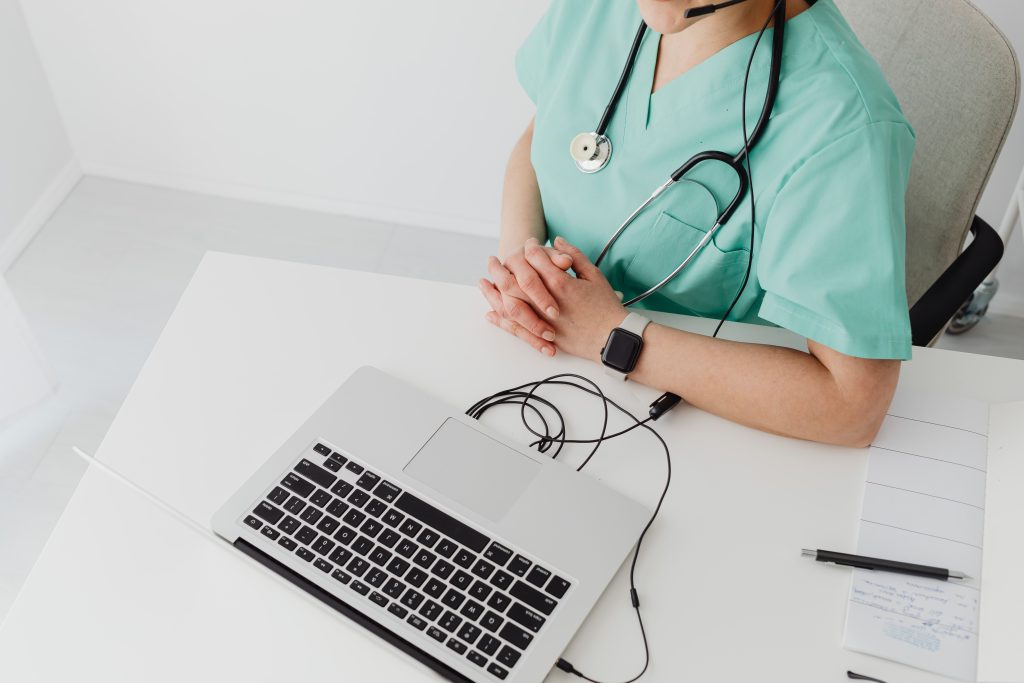
The modern primary care physician (PCP) sits at the epicenter of the American healthcare system. In 2026, family medicine is not merely about treating acute illnesses; it is a complex discipline involving continuous chronic disease management, specialist coordination, and preventative care tracking. As patient panels grow and medical complexity increases, the traditional operational architecture of the local clinic is fracturing under the weight of administrative demands. The average family doctor currently spends more than half their workday navigating electronic health record (EHR) systems rather than engaging in direct patient care. This profound misallocation of clinical expertise drives severe physician burnout and threatens the financial stability of independent practices. To restore operational balance, healthcare leaders are redesigning primary care workflows by integrating a specialized virtual assistant for family medical doctors into their core infrastructure.
A well-designed PCP workflow requires precision, adaptability, and an unyielding focus on patient outcomes. However, when a practice relies exclusively on an overextended local front desk, administrative friction is inevitable. Incoming patient messages stack up, prior authorization requests languish in payer portals, and essential pre-charting duties are often rushed or skipped entirely. These operational bottlenecks lead to delayed care, frustrated patients, and exhausted providers. True clinical transformation requires moving beyond the traditional constraints of physical staffing. By deploying a clinically trained virtual assistant for family medical doctors, a practice can establish a frictionless environment where administrative tasks are executed with scientific rigor, allowing the physician to reclaim their focus on healing.
The Strategic Value of a Virtual Assistant for Family Medical Doctors
When redesigning a primary care workflow, the first critical step is acknowledging the limitations of generic administrative support. Traditional business process outsourcing (BPO) agencies supply remote workers who lack formal medical training. In the high-stakes environment of family medicine, integrating an untrained generalist is a significant operational risk. A remote clerk cannot differentiate between a routine medication refill and a complex polypharmacy interaction, forcing the physician to constantly monitor and correct their work. To achieve true workflow optimization, a practice requires an elite virtual assistant for family medical doctors who possesses inherent clinical literacy.
At Eternus Global, founded in 2009 as Scriptus Medical Writing, our remote infrastructure is built entirely upon specialized clinical expertise. We do not provide generic data-entry personnel; instead, we deploy fractional clinical pods staffed by registered nurses, licensed pharmacists, and certified medical scribes. When a practice integrates a virtual assistant for family medical doctors from our organization, they gain a remote professional capable of interpreting laboratory trends, managing complex specialist referrals, and securing difficult prior authorizations without requiring continuous oversight from the lead physician.
Redesigning Clinical Triage with a Virtual Assistant for Family Medical Doctors
The digital inbox is often the most chaotic element of a family medicine practice. Throughout the day, the portal floods with diverse patient inquiries, ranging from simple appointment requests to concerning reports of new, acute symptoms. Without a clinically sound triage mechanism, physicians are forced to filter this noise themselves, leading to severe cognitive fatigue. A strategically deployed virtual assistant for family medical doctors acts as the intelligent digital front door to the practice.
Because our remote pods consist of licensed healthcare professionals, they can systematically evaluate every incoming message based on established clinical protocols. A virtual assistant for family medical doctors instantly identifies red-flag symptoms that demand an immediate telehealth consultation or an urgent in-person visit. Simultaneously, they resolve routine administrative questions and process standard prescription refills independently. This proactive triage workflow effectively shields the physician from administrative clutter, ensuring that urgent medical issues receive immediate attention while routine tasks are handled flawlessly.
Advanced Pre-Charting and the Virtual Assistant for Family Medical Doctors
In family medicine, the comprehensive review of a patient’s longitudinal health record is critical to providing high-quality care. However, reviewing chaotic histories spanning various specialist visits, hospital discharges, and diagnostic imaging centers is incredibly time-consuming. When physicians are forced to perform this chart abstraction during the actual visit, patient interaction time is severely compromised. A dedicated virtual assistant for family medical doctors eliminates this bottleneck by absorbing the entire pre-charting burden.
Before the physical clinic even opens, your remote clinical pod systematically reviews the schedule. A clinically trained virtual assistant for family medical doctors extracts critical physiological metrics from the past fourteen days, summarizing specialist consultation notes and highlighting significant changes in chronic conditions. This meticulous preparation allows the PCP to enter the exam room with an immediate, holistic understanding of the patient’s health status, drastically reducing screen time during the visit and significantly improving the quality of the doctor-patient relationship. This elite level of systematic preparation eliminates chaotic morning scrambles entirely, guarantees that all necessary diagnostic reports are immediately accessible before the clinical encounter begins, and ensures that the independent physician can successfully maintain an incredibly high standard of focused, uninterrupted clinical care for every single individual throughout the entire busy workday.
Hardened Security Protocols for the Virtual Assistant for Family Medical Doctors
For healthcare executives, the decision to integrate remote support is heavily weighed against the critical need for data privacy. Accessing electronic protected health information (ePHI) across global networks carries immense regulatory implications. A single security breach can result in massive financial penalties and irreversible damage to a clinic’s reputation. To safely deploy a virtual assistant for family medical doctors, the practice must ensure that the supporting digital architecture guarantees absolute data sovereignty.
Eternus Global addresses these complex compliance demands through our proprietary Zero-Possession Architecture. When a virtual assistant for family medical doctors integrates with your clinical team, they do not download, cache, or locally store any patient records. They access your internal EHR systems—such as Epic, Cerner, or athenahealth—exclusively via an encrypted Virtual Desktop Infrastructure (VDI). This secure configuration acts as a fortified glass window into your network. System-level restrictions are strictly hard-coded to disable all capabilities for copying, pasting, printing, or taking screenshots, ensuring absolute compliance with federal HIPAA mandates, GDPR frameworks, and aggressive state-level legislation such as Texas Senate Bill 1188.
Infusing Malasakit into the Primary Care Experience
While clinical accuracy and enterprise-grade security are the structural pillars of a redesigned workflow, the human element of family medicine remains the primary driver of long-term patient loyalty. Patients navigating the healthcare system are frequently dealing with physical pain, emotional vulnerability, or confusion regarding insurance policies. An abrasive or hurried response from an overworked local staff member can rapidly degrade a patient’s trust. This reality dictates that your remote support team must balance operational efficiency with profound compassion.
Our remote clinical pods are explicitly hired and evaluated based on a foundational cultural value known as Malasakit. This unique Filipino term describes an intrinsic, deep-seated commitment to empathy, driving a professional to care for a patient as if they were a member of their own family. When a member of our clinical pod coordinates a complex referral or answers a billing inquiry, they actively listen and communicate with genuine warmth. This profound level of compassion humanizes the digital patient experience, translating directly into exceptional online review profiles, improved care compliance, and enhanced patient retention.
Achieving Follow-the-Sun Operational Continuity
Relying exclusively on a traditional in-house staffing model limits your clinic’s operational momentum to a rigid nine-to-five schedule. However, the demands of a primary care panel do not pause when your physical doors close. Payer portals remain active, hospital discharge summaries arrive overnight, and patients submit urgent portal messages throughout the weekend. A standard staffing model forces your internal team to spend their entire morning clearing a massive administrative backlog, causing delayed response times and elevated stress levels.
Eternus Global resolves this temporal bottleneck by operating across multiple highly secure clinical hubs located in the United States, United Kingdom, Spain, Bulgaria, and Australia. This follow-the-sun operational strategy ensures that your practice maintains continuous momentum twenty-four hours a day. While your domestic physicians are resting, our remote teams work overnight to process comprehensive chart abstractions, complete complex insurance prior authorizations, and organize the following day’s schedule. Your medical staff arrives at the clinic the next morning to an empty inbox and a fully prepared daily lineup, allowing them to focus one hundred percent of their energy on face-to-face patient care. Furthermore, our global infrastructure allows us to serve diverse patient populations with native-fluent clinical care in English, Spanish, Bulgarian, German, and French.
Reclaiming Primary Care Through Strategic Pod Integration
Ultimately, the decision to redesign your primary care workflow is a strategic move to optimize your entire clinical ecosystem. When you delegate the heavy burden of administrative friction—including clinical triage, complex pre-charting, and aggressive insurance denial defense—to an expert remote team, you protect your internal staff from the primary drivers of professional exhaustion. By establishing a highly responsive operational framework, you give your physicians their time back, allowing them to eliminate pajama-time documentation and focus entirely on healing patients.
Our seamless three-step onboarding framework guarantees that integrating a virtual assistant for family medical doctors into your daily workflow is a completely stress-free experience. We spend five days comprehensively mapping your existing workflows, embed your dedicated clinical team through our secure, zero-possession virtual desktop infrastructure, and begin delivering synchronized, audit-ready work within thirty days. You maintain absolute clinical and scientific authority, while our specialized pod carries the heavy operational load, transforming your primary care practice into a highly efficient, profitable, and patient-centric environment.
Stop fighting your inbox and start managing care. Contact Eternus Global today to schedule a free workflow audit, and discover how our AI-augmented, physician-led clinical pods can transform your practice in less than 30 days.