
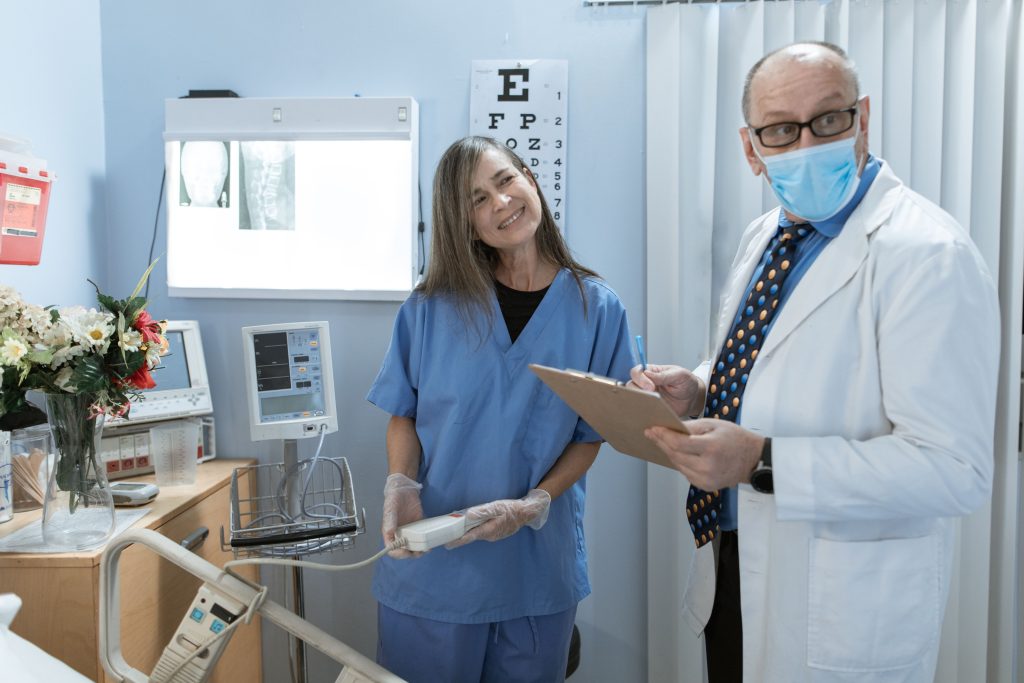
The transition of complex geriatric patients from acute-care hospitals to Skilled Nursing Facilities (SNFs) represents one of the most volatile friction points in modern American healthcare. Internal medicine physicians managing these care transitions face a high volume of administrative and clinical coordination hurdles. To prevent clinical gaps, many practices are deploying a specialized virtual assistant for internists. SNF care coordination models offer an efficient remote labor solution to manage the continuous stream of documentation, communication, and electronic health record (EHR) updates required for high-quality post-acute care.
To prevent clinical gaps, medication errors, and costly readmissions, modern practices are shifting their operational model. Integrating a specialized virtual assistant for internists provides a scalable solution to manage the continuous stream of documentation, communication, and electronic health record (EHR) updates required for high-quality post-acute care coordination.
Rather than functioning as a standard remote administrative secretary, a clinical virtual assistant for internists acts as an off-site coordinator. They securely embed into the clinic’s workflow to bridge the communication gap between the hospital, the internal medicine practice, and the SNF nursing staff.
The Operational Hurdles of SNF Care Coordination
When a patient is admitted to an SNF, the internal medicine provider must review the entire hospital course, establish a new post-acute plan of care, and perform a comprehensive medication reconciliation within a tight compliance window. In an ideal clinical ecosystem, this data would flow seamlessly across facilities. In reality, the process is highly fragmented.
Discharge summaries from the hospital are often delayed or incomplete. Vital labs, such as post-operative hemoglobin levels or therapeutic drug monitoring, frequently fail to transmit to the SNF system. Furthermore, the internal medicine practice is bombarded with phone calls from facility nurses seeking clarification on orders, prescription updates, and prior authorizations for specialized physical therapy or brand-name medications.
Without a dedicated coordinator, the internal medicine physician spends a significant portion of their workday on administrative follow-up. This administrative burden directly limits patient face-time and forces doctors into late-night charting, commonly known as pajama time. Utilizing a specialized virtual assistant for internists allows the practice to offload these manual, non-reimbursable data-gathering tasks to a clinically trained professional.
Advanced Pre-Charting and EHR Abstraction by a Virtual Assistant for Internists
The core benefit of a clinical virtual assistant for internists lies in their ability to perform advanced chart abstraction before the physician evaluates the patient. At Eternus Global, our virtual assistants are highly trained clinical professionals, including registered nurses and pharmacists, who possess a deep understanding of medical terminology and internal medicine pathology.
Before the physician begins their facility rounds or telehealth reviews, the remote assistant systematically logs into the EHR system via a secure network. They retrieve the hospital discharge packet, locate the primary diagnoses, and extract the narrative of the hospital course. The assistant organizes this information into a structured, easily digestible pre-chart summary within the provider’s native EHR platform, such as Epic, Cerner, or athenahealth.
The assistant explicitly scans the medical record for clinical discrepancies, including:
- Missing follow-up lab orders (e.g., repeating a basic metabolic panel after initiating a high-dose diuretic).
- Unconfirmed specialist recommendations (e.g., pending cardiology evaluations or outpatient follow-ups).
- Outstanding diagnostic imaging results that are critical for guiding post-acute rehabilitation.
By presenting a clean, accurate, and comprehensive clinical summary, the virtual assistant for internists ensures the provider has a holistic view of the patient immediately. This allows the doctor to make rapid, data-driven clinical decisions without wasting valuable time hunting for missing paperwork.
Pharmacist-Led Medication Reconciliation and Denial Defense
Medication discrepancies during transitions of care are a leading cause of preventable adverse drug events and re-hospitalizations. When a geriatric patient moves from an acute-care bed to an SNF, their medication list undergoes substantial modifications. Inadvertent omissions, duplicate therapies, and incorrect dosages are common when manual paper orders are transcribed into the facility’s system.
A specialized, pharmacist-led virtual assistant for internists provides a critical layer of quality assurance. The virtual assistant cross-references the facility’s active medication administration record against the official hospital discharge summary and the patient’s pre-admission home medication list. If a discrepancy is identified—such as a missing maintenance beta-blocker or an unadjusted renal dose for an antibiotic—the assistant flags the issue and queues a corrective order for the physician’s final review and signature.
In addition to medication safety, the clinical assistant manages the grueling prior authorization process required by insurance payers for specialized SNF therapies and medications. They compile the necessary clinical notes, lab values, and imaging reports to populate payer portals efficiently. If a claim is denied, the clinically trained virtual assistant for internists acts as a defense unit, drafting robust, clinical appeals based on established medical guidelines to overturn the denial, thereby protecting the practice’s revenue cycle and ensuring uninterrupted patient care.
Data Security and the Zero-Possession Architecture
Managing patient care across multiple facilities requires an ironclad approach to data privacy and regulatory compliance. For healthcare executives and compliance officers, the primary concern regarding remote support is the security of protected health information (PHI). A single data breach can result in severe financial penalties and a catastrophic loss of patient trust.
To address these concerns, Eternus Global engineers security directly into the technical architecture of our services. Our team members utilize a hardened Zero-Possession Architecture to access your systems.
Hardened Remote Connectivity for Medical Virtual Assistants
The virtual assistant for internists logs into your internal EHR environment exclusively via a secure, multi-factor authenticated Virtual Desktop Infrastructure (VDI). This configuration acts as a secure window into your local servers. No PHI or patient data ever crosses our perimeter or resides on a local remote device.
System-level policies are hard-coded to completely block downloading, copying, pasting, printing, or local caching of data. This strict protocol ensures full compliance with federal HIPAA and GDPR regulations, as well as stringent state-level mandates like Texas Senate Bill 1188, which explicitly restricts the offshore storage of electronic records. Every interaction, keystroke, and update performed by the assistant is logged directly within your system’s audit trail, providing complete transparency and security.
The Malasakit Advantage: Empathy in Complex Care
While technical precision and security are essential, care coordination inherently involves human relationships. Internal medicine providers deal with anxious family members, overwhelmed facility staff, and frail patients navigating a complex medical ecosystem. A transactional, rigid approach to administrative communication can damage patient satisfaction and lower care quality.
Our virtual assistants, operating from our global intelligence hubs, anchor their professional service in a cultural philosophy called Malasakit. This term represents an intrinsic drive to care for another person’s well-being as if they were a member of one’s own family.
When a virtual assistant for internists coordinates with an SNF charge nurse, updates a family member on a care plan modification, or schedules a post-discharge telehealth appointment, they bring a high level of empathy and dedication to the task. This cultural commitment translates into exceptional patient experience metrics, seamless inter-facility cooperation, and deeper loyalty to your medical practice. It ensures that even though the support is virtual, the care feels intensely personal.
Operational Flexibility and Fractional Scalability
Hiring full-time, in-house clinical coordinators to manage SNF transitions involves substantial overhead, including benefits, payroll taxes, physical office space, and the ongoing costs of recruitment due to high industry turnover. Furthermore, the administrative workload of an internal medicine practice fluctuates significantly throughout the week, leading to periods of unutilized labor or severe staffing bottlenecks.
Partnering with an agency for a virtual assistant for internists introduces fractional scalability to your practice infrastructure. Instead of taking on the financial risk of a permanent full-time hire, clinics can deploy a flexible clinical pod. This model allows the practice to scale up remote support during peak admission days—such as early-week hospital discharge surges—and scale back during slower periods.
By converting a fixed administrative overhead into a variable, optimized expense, practices can routinely reduce operational costs while simultaneously increasing clean claim rates and reducing documentation errors. The practice gains a highly specialized clinical team without the associated administrative burdens of traditional local staffing.
Reclaiming Clinical Focus: How a Virtual Assistant for Internists Transforms Post-Acute Operations
Ultimately, integrating a virtual assistant for internists into your SNF care coordination workflow is a strategic decision to protect the longevity of your medical staff. By delegating the non-reimbursable, time-consuming tasks of data retrieval, chart abstraction, inbox triage, and insurance appeals to a clinically literate remote team, you remove the primary drivers of provider burnout.
The transition to this modern workflow is designed to be entirely seamless. Through our structured integration process, a clinical architect maps your exact practice protocols, establishes a secure VDI connection, and embeds a dedicated clinical pod into your daily routine in less than thirty days. Providers can finally close their charts on time, eliminate pajama time documentation, and focus 100% of their energy on delivering excellent bedside medicine.
The traditional, fragmented methods of managing facility transitions are no longer sustainable in a complex healthcare market. A specialized virtual assistant for internists provides the operational infrastructure needed to build an agile, profitable, and patient-centered internal medicine practice.
Stop fighting your inbox and start managing care. Contact Eternus Global today to schedule a free workflow audit, and discover how our AI-augmented, physician-led clinical pods can transform your practice in less than 30 days.