
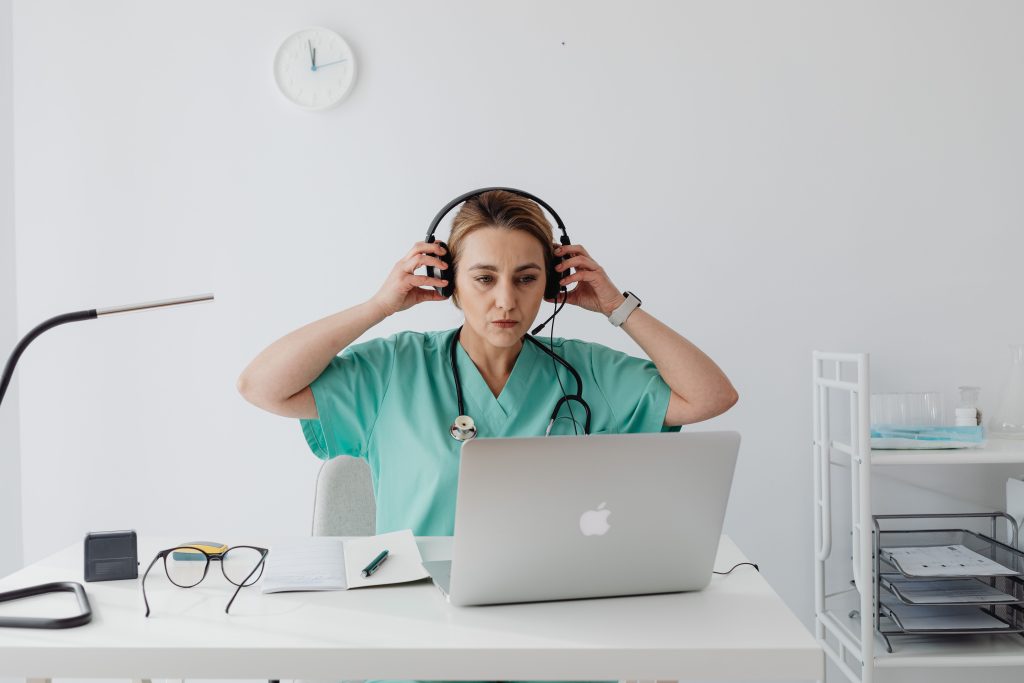
Healthcare delivery is experiencing a profound operational shift that extends far beyond the traditional boundaries of the fifteen-minute face-to-face appointment. In the current medical landscape, patients expect continuous, rapid communication through digital channels, such as online patient portals, secure text messaging, and email queues. While this shift toward constant digital connectivity improves patient access, it has placed an immense operational and psychological burden on physical healthcare facilities. Physicians are essentially forced to work an uncompensated secondary shift at night simply to clear their digital communication queues. This is why asynchronous triage—the process of safely evaluating and resolving patient concerns without requiring a real-time, synchronous visit—has emerged as a vital strategy for modern healthcare organizations. Implementing a specialized virtual assistant for medical offices is transforming how practices manage this digital influx without sacrificing clinical quality or patient safety.
By shifting from a reactive communication model to a structured, asynchronous framework, independent practices, multi-site specialty clinics, and skilled nursing facilities can systematically eliminate the administrative friction that paralyzes daily operations. However, achieving this level of efficiency requires more than just installing new software or hiring general remote workers. It requires an integrated approach that combines advanced technology with deep clinical literacy to ensure that every digital interaction is safe, accurate, and completely aligned with the clinic’s established care protocols.
Defining Asynchronous Triage via a Virtual Assistant for Medical Offices
To understand the value of this modern operational strategy, it is necessary to define what asynchronous triage actually looks like in a live clinical setting. Unlike traditional telephone triage or video-based telehealth visits, asynchronous triage involves evaluating patient messages, symptom descriptions, and medical photos that are submitted at various times throughout the day. The provider and the patient do not need to be online at the same moment. This structural flexibility allows a clinic to optimize its daily schedule, but the model only succeeds if incoming messages are filtered and organized by a highly competent team. This is exactly where a clinical virtual assistant for medical offices proves to be an indispensable asset.
When a practice utilizes a specialized assistant, the remote professional does not merely act as a passive message-taker. Instead, they function as an active clinical gatekeeper. Operating within a cross-functional clinical pod, these remote professionals are often registered nurses, licensed pharmacists, or certified medical scribes who possess an inherent understanding of medical terminology, disease progression, and pharmacological interventions. They intercept incoming portal messages, evaluate the clinical nature of the patient’s request, and apply established medical protocols to determine the appropriate next step. This ensure that minor administrative requests are resolved instantly, while complex clinical concerns are thoroughly prepared and prioritized for the physician’s immediate review.
The Patient Portal Crisis and the Need for a Virtual Assistant for Medical Offices
The rapid adoption of patient portals was intended to streamline communication and increase patient engagement. Instead, it has created an unprecedented phenomenon known as portal inbox overload. Physicians routinely log into their systems to find hundreds of unread messages ranging from complex symptom updates and prescription refill requests to basic questions about billing or office hours. Because traditional medical receptionists often lack the specialized training to accurately evaluate these messages, the responsibility of sorting through the digital noise frequently falls entirely on the provider. Integrating a virtual assistant for medical offices into the infrastructure changes this dynamic completely by placing a clinical buffer between the raw patient portal inbox and the doctor’s desk.
Without this professional filtering layer, patient care is exposed to significant structural risks. An urgent message from a patient experiencing early signs of a severe medical complication might sit unread for hours, buried beneath dozens of routine requests for school forms or routine lab results. Conversely, a physician might waste valuable clinical time drafting a detailed response to a message that could have been easily resolved by an administrative staff member. By utilizing a remote clinical pod to manage the digital front door, healthcare organizations ensure that every message is handled with the appropriate level of urgency, reducing staff fatigue and protecting the practice against medical-legal liabilities.
How a Clinical Virtual Assistant for Medical Offices Manages Asynchronous Workflows
The true operational power of a remote clinical pod is best demonstrated through the specific steps they take to manage asynchronous communication queues. When using a virtual assistant for medical offices to intercept portal messages, the workflow follows a precise, structured protocol that integrates directly with your existing Electronic Health Record (EHR) system, whether your practice utilizes Epic, Cerner, athenahealth, eClinicalWorks, NextGen, or DrChrono.
The process begins the moment a patient submits an asynchronous query:
- Initial Screening and Categorization: The assistant immediately reviews the message to determine if it is an administrative, billing, or clinical inquiry.
- Protocol-Based Clinical Triage: If the message involves clinical symptoms, an RN-led remote assistant evaluates the data against the practice’s specific triage guidelines.
- EHR Abstraction and Pre-Charting: The assistant reviews the patient’s longitudinal medical record to gather relevant context, such as recent lab results, current medications, and past medical history.
- Drafting the Clinical Response: The assistant drafts a comprehensive, protocol-compliant response or coordinates a prescription renewal request within the EHR.
- Physician Review and Sign-Off: The completed note and response are queued for the physician, who simply reviews, modifies if necessary, and signs off with a single click.
This structured approach ensures that the physician never has to open a blank message or spend time tracking down missing clinical details. The remote assistant handles all the heavy lifting of chart abstraction and documentation, allowing the provider to function purely as the ultimate clinical decision-maker.
Maximizing Billable Hours and Efficiency with a Virtual Assistant for Medical Offices
Many healthcare executives view portal management as a non-reimbursable administrative burden that drains the practice’s net margins. However, deploying a virtual assistant for medical offices turns a cost center into a reliable source of revenue while simultaneously dropping internal operating expenses by 40% to 70%. In the modern regulatory environment, certain asynchronous care interactions can be officially billed under specific e-visit codes or remote patient monitoring guidelines, provided the documentation meets strict compliance criteria.
Our clinically trained assistants are experts at ensuring that every qualifying asynchronous interaction is documented with the precision required to support these claims. They track the time spent evaluating messages, capture all relevant patient-reported data, and compile the clinical rationale into the record. Furthermore, when an asynchronous inquiry reveals that a patient requires a comprehensive physical examination or a detailed video consultation, the assistant immediately coordinates with the patient to schedule an appointment. This proactive scheduling fills gaps in the provider’s calendar, increases clinical throughput, and ensures that patients receive the appropriate level of care without unnecessary delays.
Ensuring Ironclad Compliance with a Secure Virtual Assistant for Medical Offices
For chief information security officers and medical executives, data security is the primary concern when evaluating remote operations or global delivery models. Managing patient records asynchronously means that Protected Health Information (PHI) is continuously being processed, making strict adherence to regulatory standards completely non-negotiable. Partnering with a managed virtual assistant for medical offices through a top-tier provider like Eternus Global ensures that data security is built directly into the technical architecture of your practice.
Our compliance framework is engineered around a strict Zero-Possession Architecture. In this zero-trust model, absolutely no patient data ever leaves your domestic, secure servers. Our remote clinicians access your EHR exclusively through a hardened Virtual Desktop Infrastructure (VDI). This configuration acts as a secure window into your local environment; system-level restrictions are hard-coded to completely disable all local capabilities for downloading, copying, pasting, printing, or caching data. This technical setup guarantees total compliance with federal HIPAA regulations, international GDPR standards, and SOC 2 Type II audit requirements. It also specifically addresses aggressive state-level legislation, such as Texas Senate Bill 1188, which explicitly prohibits the offshore storage of electronic health records. Every single keystroke and action taken by our remote clinicians is logged, tracked, and fully auditable, providing enterprise-grade security that easily passes the most rigorous healthcare audits.
The Malasakit Philosophy of a Premium Virtual Assistant for Medical Offices
While operational efficiency and technical compliance are essential for a sustainable business model, medicine remains an fundamentally human endeavor. Patients who message their doctors are frequently dealing with stress, confusion, or physical discomfort. If their text-based communication receives a cold, robotic, or purely automated response, it can severely damage the patient-provider relationship and lower overall patient satisfaction scores. The integration of the Malasakit philosophy within our workflows ensures that every asynchronous interaction is treated with deep empathy.
Malasakit is a profound cultural term that describes an intrinsic drive to care for another person’s well-being as if they were a member of your own family. When a text-based message handled by a virtual assistant for medical offices feels warm, thorough, and genuinely compassionate, the patient experience changes completely. Our remote assistants take the time to write personalized, clear, and supportive messages, ensuring that patients feel completely heard and valued even though they are communicating through a screen. This dedication to empathetic care leads to higher patient retention, better adherence to treatment plans, and measurable improvements in your practice’s patient experience metrics.
Follow-the-Sun Support and Global Hub Delivery of a Virtual Assistant for Medical Offices
Asynchronous queries do not stop arriving when your local office closes at five o’clock. Patients frequently submit portal messages late in the evening, during weekends, or in the early hours of the morning. If a practice relies solely on on-site staff, these messages pile up overnight, creating a massive communication bottleneck that completely overwhelms the team every morning. Relying on a global network provides a continuous, twenty-four-hour operational advantage.
Eternus Global manages multiple interconnected hubs across the United States, United Kingdom, Spain, Bulgaria, and Australia. This continuous loop allows a virtual assistant for medical offices to review, triage, and prepare responses to patient queries while your local staff is asleep. When your medical professionals arrive at the clinic the next morning, their inbox is empty, their charts are fully updated, and they can start treating their scheduled patients immediately. Additionally, our global footprint provides native-fluent support in multiple languages, including English, Spanish, Bulgarian, German, and French, enabling your office to manage asynchronous care for diverse patient populations professionally and seamlessly without the extreme expense of hiring local on-site translators.
Moving Into the Future with a Virtual Assistant for Medical Offices
The traditional, fragmented administrative models that rely entirely on in-house staff to manage an endless stream of digital messages are no longer sustainable. As workforce shortages intensify and the demand for continuous care grows, integrating advanced, clinical automation is the only way to build a highly profitable, resilient, and patient-centric medical practice.
Eternus Global, originally founded in 2009 as Scriptus Medical Writing & Research Services, brings over sixteen years of peer-reviewed discipline, clinical expertise, and operational excellence to your practice. Our structured, three-step integration process ensures that your custom clinical pod is mapped to your exact specialty workflow and safely embedded into your EHR via our secure virtual desktop within thirty days. Ultimately, the long-term impact of a virtual assistant for medical offices is that it restores balance to your organization, protecting your providers from burnout while optimizing your net revenue cycle.
Stop fighting your inbox and start managing care. Contact Eternus Global today to schedule a free workflow audit, and discover how our AI-augmented, physician-led clinical pods can transform your practice in less than 30 days.