
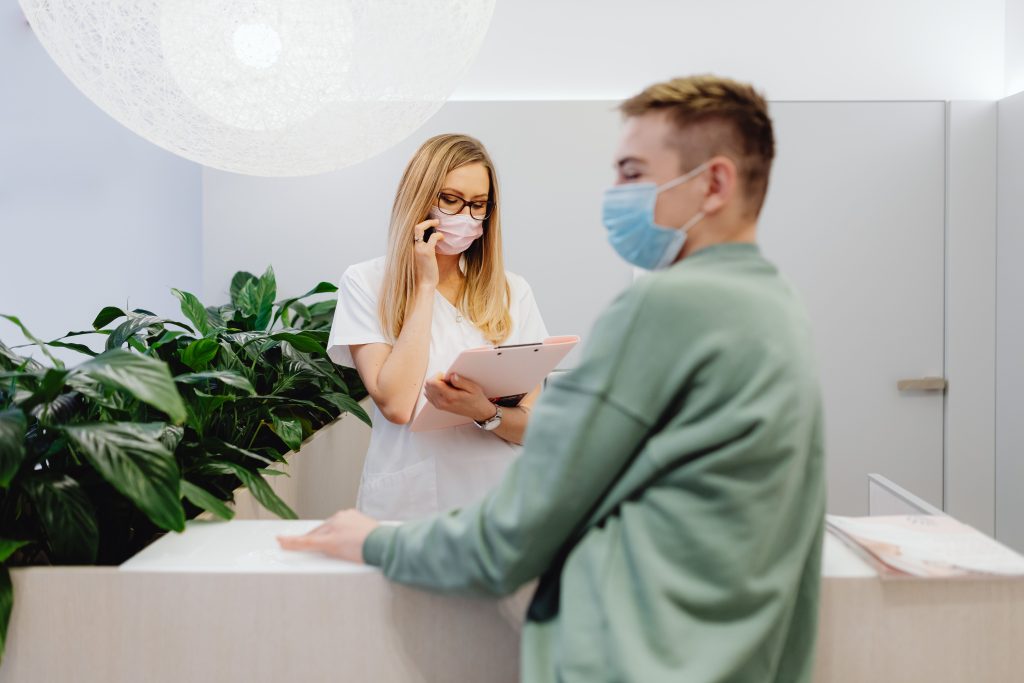
The operational architecture of American ambulatory care in 2026 is experiencing an unprecedented surge in digital touchpoints. Driven by consumer demand for instantaneous communication, healthcare providers have widely adopted real-time patient portal messaging, website chat plug-ins, and secure SMS communication channels. While these digital entry points provide unmatched accessibility for patients, they have inadvertently created a major operational crisis for clinic personnel. Inbound messaging channels are continuously flooded with an unstructured mix of prescription refill requests, complex clinical updates, scheduling inquiries, and urgent symptom updates. When an independent practice attempts to manage this overwhelming influx using local, physical front-office staff, response times slow down, critical safety alerts are delayed, and providers face debilitating cognitive overload. Overcoming this administrative burden requires a structural evolution, making the integration of a dedicated virtual assistant for medical offices an operational imperative for modern healthcare delivery systems.
A well-designed chat triage system requires much more than a collection of automated scripts or predefined chatbots. While basic automated messaging can manage routine administrative queries, it completely lacks the clinical nuance needed to evaluate complex patient interactions safely. When an anxious patient describes a vague set of symptoms via a portal chat, an automated system cannot perform the critical diagnostic filtering required to safeguard patient health. Managing these digital pathways safely requires human intelligence embedded directly within the workflow. By integrating a highly specialized virtual assistant for medical offices into the digital communication infrastructure, clinics can convert their chaotic message queues into a highly secure, clinically prioritized engine of patient care.
The Digital Front Door: Scaling Care with a Virtual Assistant for Medical Offices
The primary challenge facing independent practices and specialized medical networks is the loss of operational control over the inbox. Throughout the busy workday, administrative receptionists are forced to constantly switch context, jumping between managing in-person patient arrivals, answering ringing multi-line telephones, and reviewing incoming digital chat lines. This environment of fragmented attention inevitably leads to hurried interactions, administrative errors, and critical clinical delays. When a clinic chooses to deploy an advanced virtual assistant for medical offices, they are effectively establishing a dedicated digital front door that operates independently from the physical distractions of the office lobby.
This specialized remote worker acts as a vigilant operational filter, taking absolute ownership of incoming digital patient traffic. Operating within a secure digital ecosystem, they continuously monitor the live chat queue, ensuring that no patient query remains unanswered. Because the remote assistant is focused entirely on digital workflows, they can maintain an exceptional standard of responsiveness that physical in-house staff simply cannot achieve. By shifting this heavy communication burden to a dedicated virtual assistant for medical offices, practices can instantly reduce local office friction, eliminate lengthy phone wait times, and drastically lower administrative operating expenses.
Clinical Intelligence vs Generalist BPO: Choosing a Dedicated Virtual Assistant for Medical Offices
A critical strategic mistake made by many healthcare executives is assuming that remote administrative services are universally identical. Generic business process outsourcing (BPO) agencies supply remote workers who are trained exclusively for generalized corporate customer service or basic digital data entry. In a high-stakes clinical setting, relying on an untrained generalist introduces significant clinical and compliance liabilities. An administrative generalist cannot differentiate between a routine cough and an acute respiratory escalation, meaning the local provider must remain the primary filter for all incoming communication. Achieving true operational unburdening requires a sophisticated virtual assistant for medical offices backed by formal medical training.
At Eternus Global, founded in 2009 as Scriptus Medical Writing, our remote infrastructure is engineered on a foundation of peer-reviewed clinical rigor. Our fractional pools do not consist of clerical clerks; instead, they are staffed by highly trained medical professionals, including registered nurses, licensed pharmacists, and certified medical scribes. When a practice integrates a specialized virtual assistant for medical offices from our organization, they gain an asset capable of executing advanced clinical triage protocols with scientific discipline. Our remote clinics cross-reference incoming chat symptoms against established guidelines, such as InterQual or Milliman Care Guidelines, ensuring that every patient interaction is managed with absolute clinical precision.
Streamlining Chat Triage and Real-Time Workflows with a Virtual Assistant for Medical Offices
The true value of a specialized virtual assistant for medical offices lies in its ability to execute advanced triage pathways directly within the live chat environment. When a patient initiates a secure chat session, the remote team instantly evaluates the communication based on clinical urgency, separating routine administrative requests from high-priority medical events. This structured prioritization ensures that patients experiencing critical symptoms are instantly routed to the appropriate level of care, while minor requests are resolved independently.
An RN-led virtual assistant for medical offices can effortlessly navigate complex clinical scenarios in real time. For instance, if a patient reports sudden chest discomfort or atypical neurological changes via the secure chat plug-ins, the remote assistant can immediately implement emergency protocols, escalating the case to the physician while providing the patient with critical safety guidance. Conversely, if a patient utilizes the chat tool to request a standard prescription renewal or clarify a billing statement, the remote assistant resolves the request independently within the EHR platform. This proactive management ensures that your physical local team can focus entirely on providing exceptional care to the patients sitting in your physical examination rooms.
Enterprise Data Protection and Security for a Virtual Assistant for Medical Offices
For health system executives and chief information security officers, data privacy and regulatory compliance represent the ultimate prerequisites for any remote operational model. Accessing electronic protected health information (ePHI) across global borders carries immense regulatory weight, and a single security breach can result in millions of dollars in federal penalties and a permanent loss of institutional reputation. To safely deploy a virtual assistant for medical offices, a practice must ensure that the supporting digital architecture enforces absolute data sovereignty.
Eternus Global guarantees maximum data protection through a hard-coded Zero-Possession Architecture. When a virtual assistant for medical offices joins your clinical team, they do not download, store, or locally cache any patient records. Our professionals access your existing EHR infrastructure—whether it is Epic, Cerner, athenahealth, or DrChrono—exclusively via an encrypted, highly secure Virtual Desktop Infrastructure (VDI). This secure configuration acts purely as a glass window into your data environment, preventing any data from crossing your network perimeter. System policies are strictly configured to block all capabilities for downloading, copying, pasting, printing, or taking local screenshots. This rigorous security posture ensures absolute compliance with federal HIPAA mandates, international GDPR frameworks, and aggressive state-level legislation such as Texas Senate Bill 1188, proving that data security is woven directly into the technical fabric of our virtual assistant for medical offices.
Cultivating Patient Trust with a Focus on a Virtual Assistant for Medical Offices
While technical precision and architectural security are the baseline pillars of modern medical support, the human element of medicine remains a primary driver of overall patient satisfaction metrics. Patients interacting with a triage chat system are frequently navigating physical pain, emotional vulnerability, or intense confusion regarding their insurance policies. An abrasive or purely transactional response from an overworked local front-office staff member can quickly fracture patient trust and lead to negative online reviews. This reality requires that remote support teams balance clinical logic with profound compassion.
Our remote clinical pods are explicitly selected and trained based on a core cultural value known as Malasakit. This unique Filipino term describes an intrinsic, deep-seated commitment to empathy and devotion, driving an individual to care for a patient as if they were a member of their own family. When a member of our clinical team manages a patient chat or coordinates a follow-up call, they listen actively and communicate with genuine warmth. This profound level of compassion humanizes the digital patient experience, translating directly into stronger patient retention, improved care compliance, and exceptional online review profiles for your practice.
Global Infrastructure and Around-the-Clock Operational Resilience
The traditional local staffing model is inherently limited by the physical boundaries of a nine-to-five schedule within a single local time zone. However, chronic diseases and urgent administrative requirements do not pause when the clinic doors close for the evening. Hospital discharge narratives arrive at midnight, and patients frequently submit urgent portal messages over the weekend, creating a massive backlog that local staff must spend their entire morning clearing, leading to delayed response times and operational chaos. Establishing continuous care coordination requires a global operational reach.
Eternus Global resolves this temporal bottleneck by leveraging multiple highly secure clinical hubs located across the United States, United Kingdom, Spain, Bulgaria, and Australia. This follow-the-sun operational strategy ensures that your practice maintains continuous momentum twenty-four hours a day. While your domestic physicians are resting, our remote teams work overnight to process chart abstractions, complete prior authorizations, and organize the following day’s schedule. Our global infrastructure allows us to serve diverse patient populations with native-fluent clinical care in English, Spanish, Bulgarian, German, and French, expanding your clinic’s accessibility without the cost of specialized translation staff.
Reclaiming the Joy of Medicine Through Strategic Pod Integration
Ultimately, the decision to modernize your administrative infrastructure is a strategic move to optimize your entire clinical ecosystem. When you delegate the heavy burden of administrative friction—including clinical triage, complex pre-charting, and aggressive insurance denial defense—to an expert remote team, you protect your internal staff from the primary drivers of professional exhaustion. By establishing a highly responsive operational framework, you give your physicians their time back, allowing them to eliminate pajama-time documentation and focus entirely on healing patients.
Our three-step onboarding framework guarantees that integrating a remote clinical pod into your workflow is a stress-free experience. We spend five days mapping your workflows, embed your clinical team through our secure, zero-possession virtual desktop infrastructure, and begin delivering synchronized, audit-ready work within thirty days. You maintain clinical authority, while our specialized pod carries the operational load, transforming your practice into an efficient, profitable, patient-centric environment. This strategic alignment guarantees long-term security.
Stop fighting your inbox and start managing care. Contact Eternus Global today to schedule a free workflow audit, and discover how our AI-augmented, physician-led clinical pods can transform your practice in less than 30 days.