
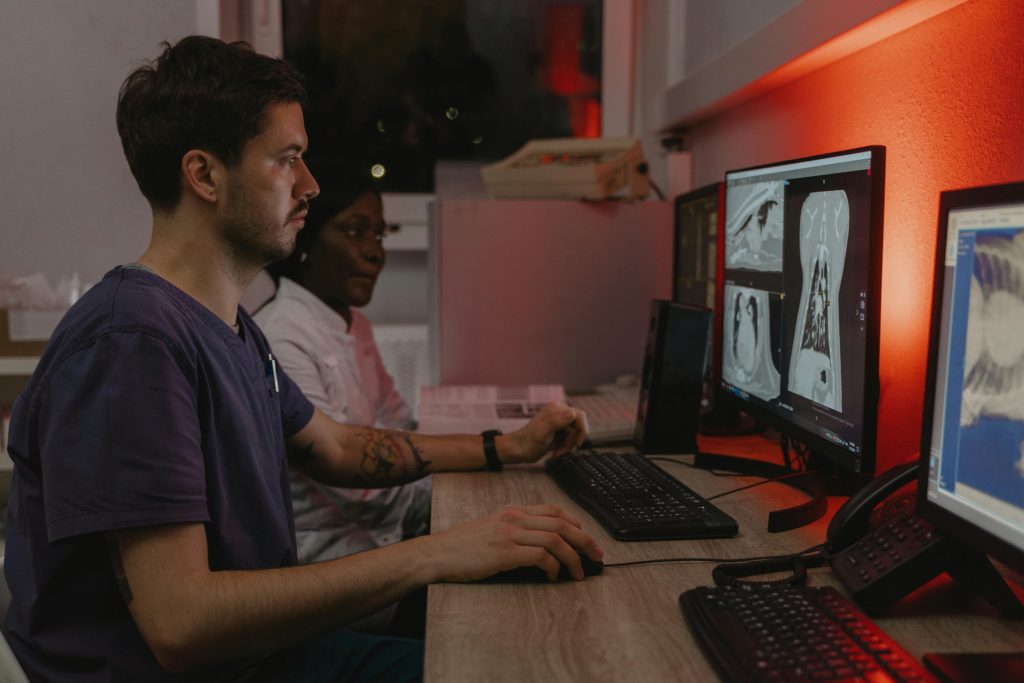
The United States healthcare system in 2026 is navigating a landscape defined by paradoxes, where the integration of a highly skilled virtual assistant persona has become a vital necessity for clinical survival. While diagnostic technology has reached its pinnacle, providers are drowning in a sea of administrative friction. By 2036, the physician deficit is projected to exceed 85,000, leaving remaining practitioners crushed by “pajama time” charting. To survive this operational reality, independent practices and skilled nursing facilities (SNFs) are moving away from traditional staffing models, seeking a clinically literate “Clinical Architect” rather than a remote secretary.
The Evolution of Clinical Support
Historically, the concept of a virtual assistant in healthcare was limited to basic data entry or answering standard customer service emails. In the high-stakes, highly regulated environment of 2026, that generalized model is entirely obsolete. The modern virtual assistant persona has evolved into a specialist role that operates within a “Clinical Intelligence Hub.” These individuals are often Registered Nurses (RNs), Licensed Pharmacists, and Certified Medical Coders who possess a deep, inherent understanding of medical terminology and the cascading impacts of clinical documentation.
At Eternus Global, founded in 2009 (formerly Scriptus Medical Writing & Research Services), we recognized early on that for a remote team to be effective, they must share the same clinical DNA as the physicians they support. The virtual assistant persona we deploy is built on sixteen years of peer-reviewed rigor and clinical research. We don’t just “fill a seat”; we provide a team member who understands the difference between a minor symptom and a “red flag” escalation. This evolution from generalist to specialist is the cornerstone of modern adult medicine support.
The Clinical Intelligence Hub: Architecture of the Virtual Assistant Persona
The true value of a specialized virtual assistant persona lies in their ability to take over the specific, time-consuming tasks that pull physicians away from direct patient engagement. In adult care and internal medicine, this requires a persona that can navigate the nuances of complex chronic disease management. When you hire through a fractional clinical pod model, you aren’t just getting an individual; you are getting a coordinated intelligence hub that manages four primary operational domains.
The first domain is advanced pre-charting. For complex geriatric patients, a chaotic history must be streamlined before the provider even opens the file. The virtual assistant persona required for this task is that of a researcher. They systematically review the daily schedule, extract critical events from the last 7 to 14 days, and proactively highlight alerts such as sudden drops in oxygen saturation or dangerous blood glucose spikes. This ensures that the physician has a complete, holistic view of the patient immediately upon entering the exam room, rather than spending the first ten minutes of the visit mining data from the EHR.
RN-Led Triage: A Specialized Virtual Assistant Persona for Adult Care
Patient portals have transformed clinical communication, but they have also led to massive “inbox overload.” A major contributor to physician fatigue is the constant stream of notifications that range from minor billing questions to urgent clinical crises. The virtual assistant persona assigned to triage acts as the intelligent digital front door of the practice. Utilizing established clinical protocols, an RN-led team can evaluate patient inquiries in real-time.
This specific virtual assistant persona is trained to identify “red flag” escalations that require an immediate physical visit or a telehealth intervention. Simultaneously, they route minor administrative questions—like receipt requests or portal password resets—away from the physician’s desk. Furthermore, they act as virtual roomers for telehealth appointments, troubleshooting technology with the patient fifteen minutes before the visit, and collecting updated vital signs. This level of triage ensures that the physician’s time is spent entirely on high-level clinical decision-making, rather than digital traffic control.
Pharmacist-Led Revenue Management and the Virtual Assistant Persona
Medication errors and insurance denials are the twin thieves of patient safety and clinic revenue. Specialized virtual assistant persona roles—particularly those operating in pharmacy-led pods—take ownership of the most frustrating administrative tasks in adult medicine. During high-risk care transitions, such as a patient moving from a hospital to a long-term care facility, these assistants perform rigorous medication reconciliations. They cross-reference orders to flag missing medications or dangerous duplicate therapies before they can cause harm.
Additionally, this virtual assistant persona functions as a “denial defense unit.” When claims are denied by insurers, a clinically trained assistant doesn’t just resubmit a form; they draft a robust Level 1 or Level 2 medical appeal, citing specific clinical guidelines to successfully overturn the denial. Because they possess the literacy to compile clinical notes, lab results, and imaging reports into a cohesive argument, they significantly increase clean claim rates. This transformation of the billing department into a clinical defense team is a hallmark of the modern virtual assistant persona.
Safeguarding Privacy: The Security-First Virtual Assistant Persona
For many healthcare executives, the primary hesitation regarding offshore virtual assistance is data security. Trust is the absolute currency of the medical market, and a single breach can be catastrophic. Therefore, the modern virtual assistant persona must be built on a foundation of “Zero-Possession Architecture.” This is not just a policy; it is a technological mandate.
In this model, the virtual assistant persona accesses your EHR exclusively via a highly secure, encrypted Virtual Desktop Infrastructure (VDI). This acts simply as a “glass window” into your system. Absolutely no Protected Health Information (PHI) ever leaves your United States-based servers. System-level restrictions are hard-coded to disable all capabilities for downloading, copying, pasting, printing, or locally caching data. This ensures absolute compliance with HIPAA, GDPR, and aggressive state-level legislation like Texas Senate Bill 1188. By providing enterprise-grade security with multi-factor authentication and SOC 2 Type II audit trails, the virtual assistant ensures that your CISO can sleep through the night.
The Malasakit Edge: Empathy in the Virtual Assistant Persona
Beyond the technical and clinical skills, there is a cultural dimension that defines the successful virtual assistant persona. In healthcare, administrative interactions often involve distressed, confused, or anxious patients. An abrasive or purely transactional interaction can severely damage patient trust and lower satisfaction scores. Elite hubs, particularly those based in our primary hub in the Philippines, anchor their service in the cultural trait of “Malasakit.”
Malasakit is a profound, intrinsic sense of empathy and caring as if the patient were a member of one’s own family. When a virtual assistant persona conducts a post-discharge telehealth onboarding call or checks on an elderly patient’s remote blood pressure monitor, this cultural empathy translates into an exceptional bedside manner. It drastically improves Patient Experience (PX) metrics and fosters deep loyalty to your practice. In an age where healthcare can feel cold and automated, this human connection is a powerful differentiator that ensures your patients feel cared for even when the interaction is remote.
AI-Scribe Auditing: The High-Intelligence Virtual Assistant Persona
The era of manual transcription is ending, replaced by ambient AI scribes that listen to patient encounters and draft clinical notes. However, these tools are not infallible; they require human oversight to prevent “hallucinations” or missed contextual nuances. The clinical virtual assistant persona is indispensable in this hybrid AI workflow. They function as the “human-in-the-loop” who audits the AI-generated SOAP notes for absolute clinical accuracy.
This specific virtual assistant persona ensures the formatting complies with your clinic standards and queues the perfected note for the physician’s final signature. This entirely eliminates the need for doctors to spend their evenings catching up on charts. By managing the technology so the physician doesn’t have to, the virtual assistant ensures that AI remains a tool for productivity rather than a source of additional work. This synergy between human clinical intelligence and artificial intelligence defines the cutting edge of modern practice management.
Transitioning to the Fractional Virtual Assistant Persona Model
For many independent practices, the cost of hiring specialized, in-house clinical staff is prohibitive. Hiring in-house involves exorbitant overhead, including benefits, payroll taxes, physical office space, and the continuous costs of recruiting and training due to high turnover rates. The solution lies in the fractional virtual assistant persona model. Instead of hiring three separate full-time employees for coding, scheduling, and triage, clinics can purchase a block of hours utilized by a cross-functional remote pod.
This model routinely results in a 40% to 70% reduction in operating expenses (OpEx) while simultaneously increasing clinical output. Because the virtual assistant persona is already trained and clinically literate, the time to deploy is often under 30 days. This allows clinics to scale their support as their patient volume grows, without the risks associated with traditional hiring. The fractional model ensures that even the smallest independent practice can access the same level of clinical support as a large hospital system.
Reclaiming the Practice Focus 100%
Ultimately, the choice to integrate a specialized virtual assistant persona is about reclaiming the joy of medicine. You didn’t go into medicine to deal with piles of paperwork or to battle with EHR menus until midnight. You went into medicine to heal. By delegating the crushing weight of administrative friction to an off-site Clinical Intelligence Hub, you empower your physicians to do what they do best: practice medicine.
The modern virtual assistant persona is no longer a luxury; it is the essential infrastructure required to build a sustainable, highly profitable, and patient-centric practice in 2026. Whether it is managing complex chronic disease coordination, defending against insurance denials, or ensuring every chart is closed by 5:00 PM, the clinical virtual assistant is the silent partner in your practice’s success. At Eternus Global, we give you back your clinic focus 100%, providing the clinical rigor and empathetic care that your patients—and your physicians—deserve.
Stop fighting your inbox and start managing care. Contact Eternus Global today to schedule a free workflow audit and discover how our AI-augmented, physician-led clinical pods can transform your practice in less than 30 days.