
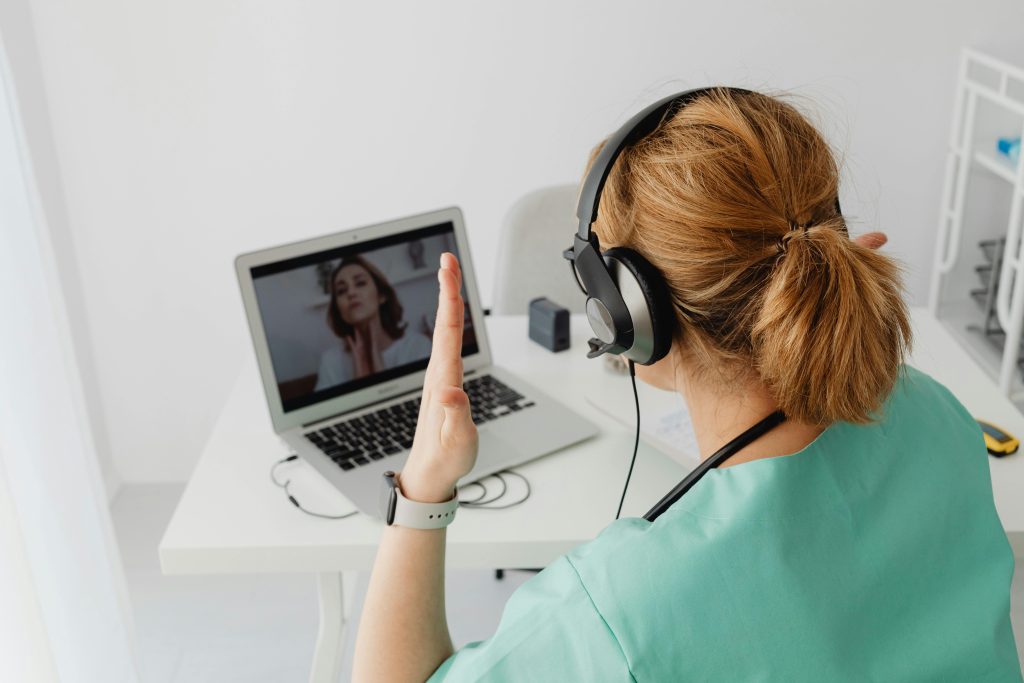
The American healthcare system in 2026 is currently operating at a fascinating but precarious intersection. We have achieved a level of technological advancement that once seemed like science fiction, yet we are facing a structural crisis that is deeply human. The Association of American Medical Colleges has made it clear: we are staring down a shortage of over 85,000 physicians by the year 2036. For those clinicians currently in practice, the burden of administrative friction is the primary driver of systemic burnout. However, there is a secondary, often overlooked friction point that specifically affects diverse metropolitan areas: the linguistic and cultural gap. For practices serving the vibrant Filipino-American community, integrating a virtual assistant Tagalog specialist is no longer just a “perk”—it is a critical clinical strategy for ensuring patient safety and satisfaction.
Filipino-Americans represent one of the largest and most influential ethnic groups in the United States, particularly within the healthcare sector itself. Yet, for many elderly Filipino patients, navigating complex chronic disease management in a second language during a high-stress medical event can lead to significant gaps in care. When a clinic employs a virtual assistant Tagalog speaker who is also clinically trained as a Registered Nurse or Pharmacist, they aren’t just translating words; they are translating care. This is the new standard for inclusive adult medicine in 2026.
Clinical Impact on Triage and Geriatric Care
Triage is the heartbeat of any functioning clinic. It is the process of sorting through the “noise” of the daily patient portal to find the “signals” that require immediate physician intervention. In a bilingual environment, this process becomes exponentially more complex. If a patient leaves a message describing a vague symptom like “pananakit ng dibdib” (chest pain) or “nahihilo” (dizziness), a generalist administrative worker might miss the urgency. However, a virtual assistant professional with an RN background understands the clinical nuances behind these terms.
By utilizing advanced support, practices can implement a “Digital Front Door” that is both linguistically accessible and clinically rigorous. These assistants triage hundreds of daily inquiries, utilizing established clinical protocols to resolve minor administrative questions—such as billing inquiries or receipt requests—while escalating high-priority medical concerns. This intelligent filtering effectively slays the “inbox beast” that causes physicians to spend hours of “pajama time” staring at screens instead of engaging with their families.
Enhancing Geriatric Care with a Specialized Virtual Assistant Tagalog Liaison
Chronic disease management in the geriatric population requires constant, coordinated communication. For Filipino seniors managing conditions like hypertension, diabetes, or congestive heart failure, the presence of a virtual assistant Tagalog liaison can drastically improve medication adherence. Polypharmacy—the use of multiple medications—is a significant risk factor for this demographic. A virtual assistant who can explain a medication regimen in the patient’s native tongue ensures that “lost in translation” doesn’t turn into “lost in the ER.”
Our specialized team, often led by licensed pharmacists, performs rigorous medication reconciliations. During high-risk care transitions, such as moving a patient from a hospital to a long-term care facility, these assistants cross-reference orders to flag missing medications or dangerous duplicate therapies. Because the virtual assistant Tagalog speaker can speak directly with the patient or their family in a language they fully grasp, the chances of a therapeutic error are significantly reduced. This level of care coordination is what transforms a standard practice into a patient-centric hub of excellence.
Security and Compliance: Ensuring Data Safety with a Virtual Assistant Tagalog Professional
For many healthcare executives, the primary hesitation regarding offshore support is data security. In 2026, trust is the absolute currency of the medical market, and a single breach can be catastrophic. When integrating a virtual assistant Tagalog specialist, practices must ensure that security is engineered into the bedrock of the operation. At Eternus Global, we have solved this through a Zero-Possession Architecture.
In this model, the virtual assistant Tagalog professional accesses your Electronic Health Record (EHR) system—whether it is Epic, Cerner, athenahealth, or eClinicalWorks—exclusively via a highly secure, encrypted Virtual Desktop Infrastructure (VDI). This acts as a “glass window” into your system. No Protected Health Information (PHI) ever leaves your United States-based servers. System-level restrictions are hard-coded to disable all capabilities for downloading, copying, pasting, printing, or locally caching data. This ensures absolute compliance with HIPAA, GDPR, and aggressive state-level legislation like Texas Senate Bill 1188. By providing enterprise-grade security, the virtual assistant Tagalog integration becomes a low-risk, high-reward strategic maneuver.
The ROI of Bilingual Support: Why a Virtual Assistant Tagalog Pod Saves Money
The economics of traditional staffing are becoming increasingly untenable for independent practices. Hiring an in-house bilingual receptionist in 2026 involves exorbitant overhead, including health insurance premiums, payroll taxes, retirement matching, and the physical office space required for the employee. Furthermore, the high turnover rate in healthcare support roles means clinics are often trapped in a continuous, expensive cycle of recruiting and training.
Switching to a fractional virtual assistant Tagalog pod allows clinics to convert these massive fixed costs into variable, optimized expenses. Instead of hiring a single full-time employee, clinics can purchase a block of hours utilized by a cross-functional remote team. This model routinely results in a 40% to 70% reduction in operating expenses (OpEx). Additionally, because these virtual assistant Tagalog professionals are already clinically trained and EHR-literate, the time to deploy is often under 30 days. The return on investment is felt almost immediately, as clean claim rates increase and the physician’s daily productivity soars.
Cultural Empathy and Malasakit via a Virtual Assistant Tagalog Integration
Beyond the technical and clinical skills, there is a cultural dimension that defines the successful virtual assistant Tagalog persona. In healthcare, administrative interactions often involve distressed or anxious patients. An abrasive or purely transactional interaction can damage patient trust and lower satisfaction scores. Our hubs in the Philippines anchor their service in the cultural trait of “Malasakit.”
Malasakit is a profound, intrinsic sense of empathy—caring for a task or a person as if they were one’s own family. When a virtual assistant Tagalog speaker conducts a post-discharge telehealth onboarding call or checks on an elderly patient’s remote blood pressure monitor, this cultural empathy translates into an exceptional bedside manner. Patients feel a connection that transcends the digital divide. This “warmth” drastically improves Patient Experience (PX) metrics and fosters deep loyalty to the practice. In an age where healthcare can feel cold and automated, the human connection provided by a virtual assistant Tagalog speaker is a powerful differentiator.
Advanced Pre-Charting and AI-Scribe Auditing
The era of manual transcription is ending, replaced by ambient AI scribes that listen to patient encounters and draft clinical notes. However, these tools are not infallible; they require human oversight to prevent “hallucinations” or missed contextual nuances. The clinical professional is indispensable in this hybrid AI workflow. They function as the “human-in-the-loop” who audits AI-generated SOAP notes for absolute clinical accuracy.
Before the clinic doors even open, the remote specialist systematically reviews the daily schedule, performing comprehensive chart abstraction. They highlight “red flag” alerts, such as sudden drops in oxygen saturation or recent falls, ensuring the physician has a holistic view of the patient immediately. By managing the heavy lifting of data entry and auditing, the clinical assistant ensures that the doctor can leave the clinic at 5:00 PM with all charts closed. This effectively eliminates the documentation burden and restores a healthy work-life balance for the medical team.
Fractional Clinical Pods: Scalable Support for Every Clinic
One of the greatest benefits of the modern virtual assistant Tagalog model is its scalability. We don’t believe in “one-size-fits-all” solutions. Whether you are a solo practitioner in a specialized niche or a large multi-site clinic, we provide Fractional Clinical Pods tailored to your volume. This means you gain access to RNs, pharmacists, and medical writers without the need for multiple full-time hires.
Our remote teams are embedded in your EHR, not a faceless ticket queue. They become part of your office culture, attending virtual huddles and learning your specific clinical preferences. Because we operate through global hubs in the US, UK, Spain, Bulgaria, and Australia, we offer “follow-the-sun” coverage. Your designated pod can be processing documents and triaging messages overnight, so you arrive at an empty inbox every morning. This 24/7 operational capability is a game-changer for practices looking to expand their patient base without increasing their physical footprint.
Trusted Since 2009: The Eternus Global Heritage
Eternus Global didn’t start as a generic BPO. We were born in 2009 as Scriptus Medical Writing & Research Services, built on a foundation of peer-reviewed rigor and clinical research. Over the last sixteen years, we have delivered more than 1,200 manuscripts and supported 40+ pharmacovigilance programs. This history of excellence is what we bring to our virtual assistant Tagalog services.
We understand that trust is earned through consistent, accurate performance. Our clinical architects shadow your team for the first five days to map your workflow perfectly, ensuring that when the virtual assistant Tagalog pod plugs in, they are ready to contribute from day one. We don’t just drop tools on your desk; we provide the clinical intelligence required to transform your practice. By delegating the administrative friction to an off-site Clinical Intelligence Hub, you empower your physicians to do what they do best: practice medicine.
Strategic Growth and Multilingual Excellence
As we move further into 2026, the practices that will thrive are those that embrace linguistic and cultural inclusivity. By integrating a bilingual professional, you aren’t just checking a box for diversity; you are optimizing your practice for a globalized world. Our teams provide support in English, Spanish, Bulgarian, German, and French, but our Tagalog expertise remains a cornerstone of our bilingual clinical support.
The presence of a virtual assistant Tagalog speaker allows your practice to tap into a wider demographic of patients who are often underserved due to language barriers. This strategic growth, combined with the 40% to 70% reduction in OpEx, creates a powerful financial engine for your clinic. It allows you to invest more in patient care and less in the “paperwork” that currently burns out your staff. The modern virtual assistant Tagalog professional is the essential infrastructure required to build a sustainable, highly profitable, and patient-centric practice.
Reclaiming the Practice Focus 100%
Ultimately, the choice to integrate a clinical specialist is a choice to reclaim your time and your passion for medicine. You didn’t go into healthcare to spend your nights battling with EHR menus or your days trying to decipher patient portal messages. You went into medicine to heal. By offloading the documentation, the triage, and the administrative coordination to a clinically trained virtual assistant Tagalog pod, you are giving yourself and your staff the gift of focus.
The “pajama time” charting is a symptom of a broken administrative model. The solution is a physician-led, AI-augmented clinical hub that understands your language, your culture, and your clinical standards. Whether you are managing an internal medicine clinic in California or a skilled nursing facility in Texas, the impact of a virtual assistant Tagalog professional is transformative. We handle the paperwork; you handle the patients.
Stop fighting your inbox and start managing care. Contact Eternus Global today to schedule a free workflow audit and discover how our AI-augmented, physician-led clinical pods can transform your practice in less than 30 days.